Office and Rental Property Clearances Explained
A guide for landlords, letting agents and businesses
Landlords, letting agents and businesses all need properties cleared from time to time. A tenant leaves furniture behind, an office relocates or a lease comes to an end, and the space has to be emptied quickly so it can be re-let, handed back or refitted. Planning the clearance properly saves time, avoids extra charges and keeps you on the right side of waste regulations.
Office and commercial clearances
Commercial clearances range from a single office to a whole warehouse or retail unit. They usually involve desks, chairs, storage, kitchen appliances, IT equipment and paperwork, and they often have to be done without disrupting the business.
- Timing: evening and weekend clearances keep downtime to a minimum
- IT equipment: computers and other electricals should go through a WEEE-compliant recycling route
- Data: hard drives and devices holding personal data need secure wiping or destruction to meet UK GDPR
- Paperwork: confidential files should be shredded securely, with a certificate of destruction
- Lease ends: leaving a unit empty and clean helps avoid dilapidations charges
A company offering office and commercial clearance in Cardiff will usually quote from photos and can work from an itemised list where furniture or equipment needs to be sold, kept or recycled.
End of tenancy clearances
When tenants leave items behind, landlords need to follow the correct process before disposing of them, particularly if the tenancy ended unexpectedly. Once the property is legally back in your hands, a quick clearance gets it ready for cleaning, repairs and new tenants as soon as possible.
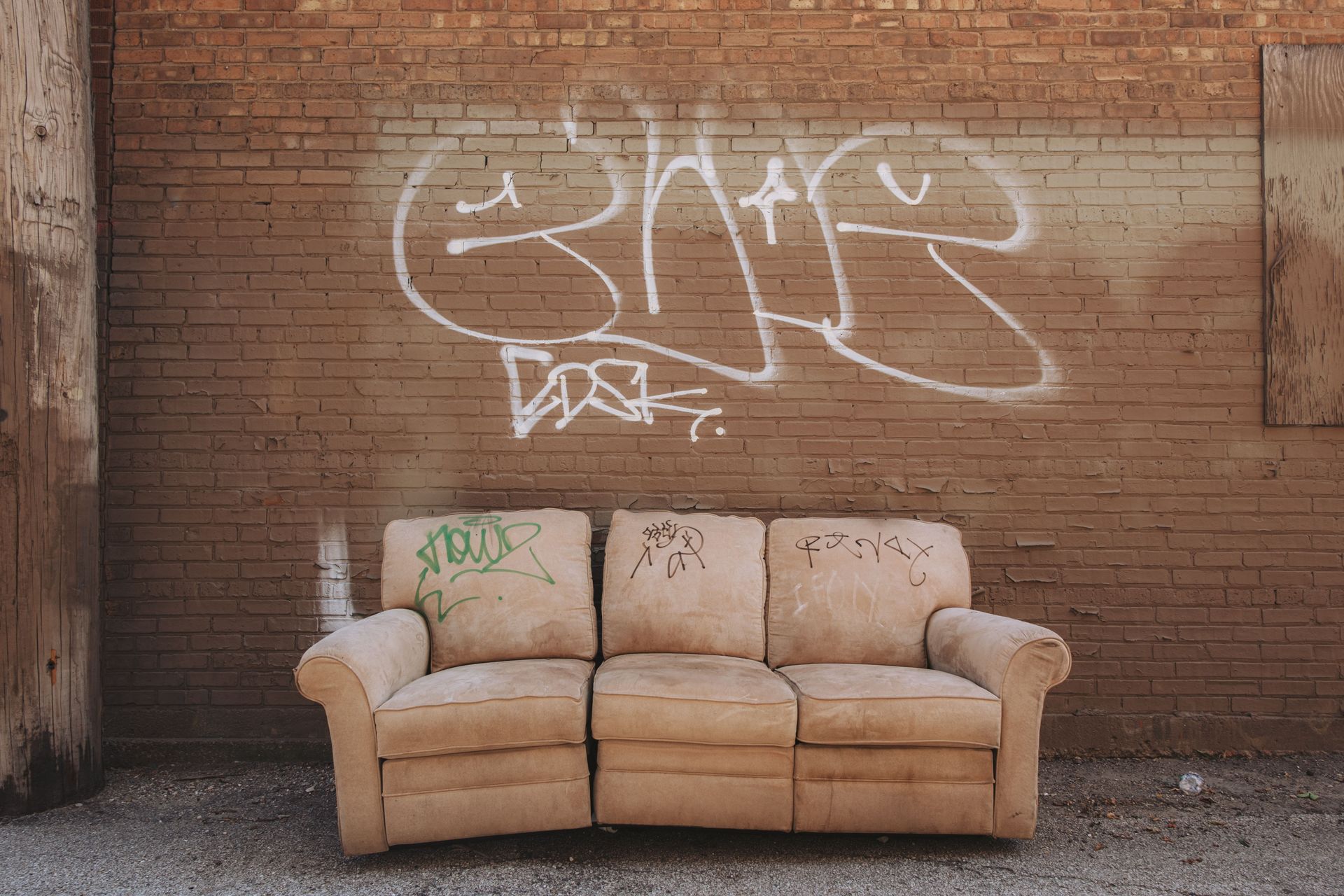
Large items are usually the biggest headache. Sofas, mattresses, wardrobes and white goods are heavy, awkward and cannot go in household bins. A bulky waste collection removes them in one visit, often without the landlord needing to be there, and saves several trips to the tip.
Garages and outbuildings
Rental houses with garages often come with years of stored items from previous tenants. Including a garage clear-out in the same visit is usually cheaper than booking it separately, and it means the whole property can be marketed with usable storage space.
Your legal duties
Businesses and landlords have a legal duty of care for the waste they produce. In practice that means:
- Use a registered waste carrier: in Wales, carriers can be checked on the Natural Resources Wales public register.
- Keep a waste transfer note: this records what was taken and where it went.
- Separate hazardous items: chemicals, asbestos and some electricals need specialist handling.
- Watch out for upholstered furniture: sofas and armchairs can contain persistent chemicals and must be disposed of through the correct route.
If waste from your property is fly-tipped by an unregistered collector, you can still be held responsible, so it pays to check before you book.
A well-planned clearance gets a property back into use quickly and without surprises. For more on clearance and waste services, see our house clearance and waste removal category.
Ready to work with Lexsee Business Directory?
Let's connect! We’re here to help.
Send us a message and we’ll be in touch.
Agency Contact Form
More Business Tips, Tricks & Tools
Lexee Blog