Landscaping Period Gardens in Warwick and Leamington Spa
Conservation areas, protected trees, old boundary walls and the Party Wall Act: what to plan for when landscaping an older garden in south Warwickshire.
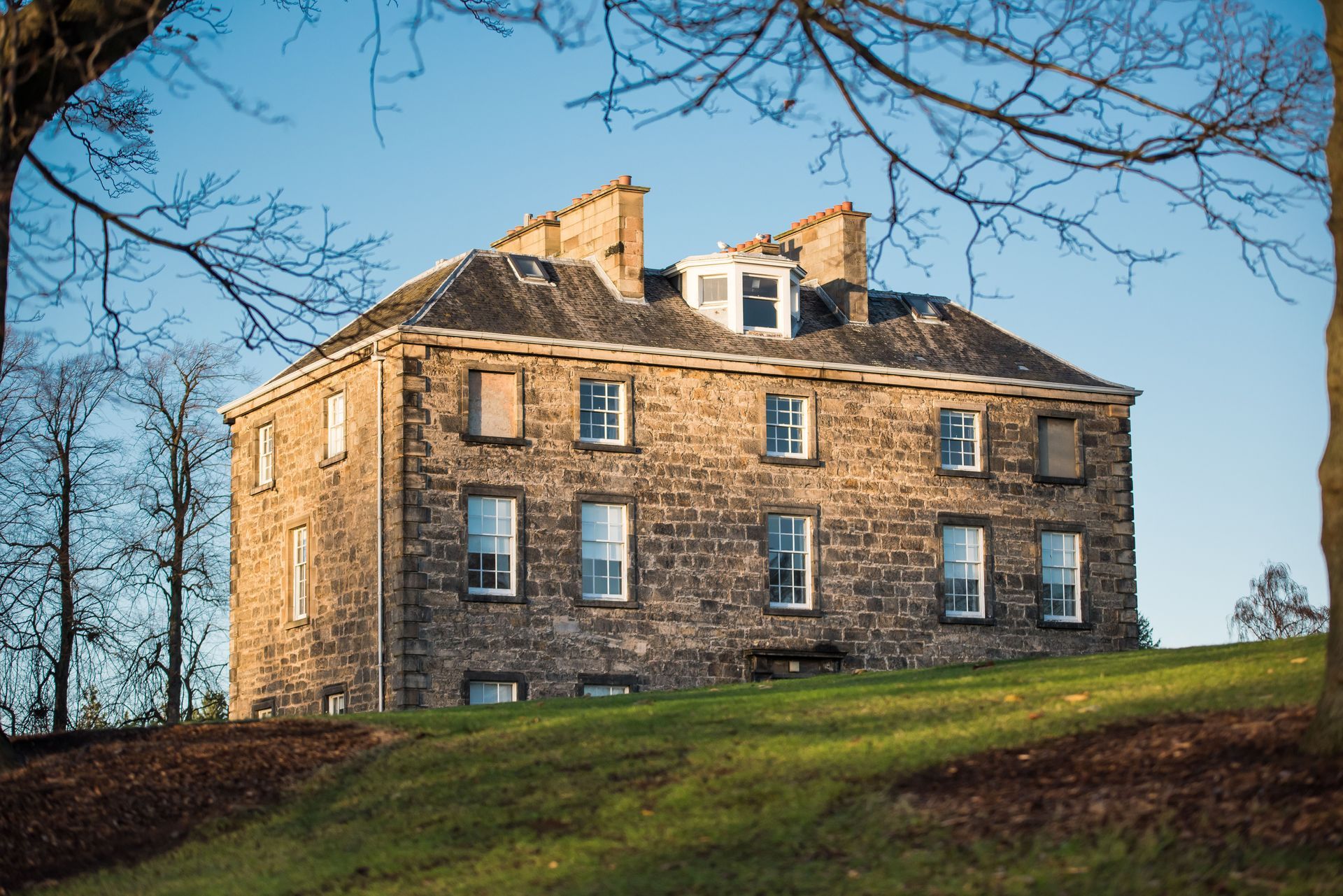
Warwick and Leamington Spa are full of beautiful older houses, from Regency terraces and villas to Victorian and Edwardian streets. Their gardens are often just as characterful, but they come with rules and practical challenges that a new-build plot does not. Planning for them early keeps a project on budget and out of trouble.
Conservation areas and protected trees
Large parts of both towns lie within conservation areas. Trees in a conservation area, or covered by a Tree Preservation Order, usually need written notice to the council before any work is done. If the house is listed, its garden walls may be protected too. An experienced Warwick landscaping company will check these points at survey stage, before a design is drawn up.
Old walls and the Party Wall Act
Many Regency and Victorian gardens are enclosed by shared brick or stone walls. Under the Party Wall etc. Act 1996, work on a shared wall, or deep excavation within three metres of a neighbouring building, may require notice to the neighbour, with notice periods of one or two months. That can affect the programme for retaining walls, sunken terraces and new footings, so it is worth raising early. Local landscapers in Leamington Spa who work around the Parade, Clarendon Square and the Lansdowne streets are used to building alongside these older walls.
Access and narrow plots
Town gardens behind terraces often have no side access, so materials and spoil have to come through the house or along a rear lane. That affects the choice of materials, the size of slabs and the price, so a good survey covers access as carefully as levels and drainage.
Heavy soil and drainage
Away from the town centres, areas such as Lillington, Sydenham and Whitnash, along with newer developments in Warwick such as Chase Meadow and Warwick Gates, often have heavy clay or compacted subsoil under a thin layer of topsoil. Drainage needs designing in from the start, especially before laying a patio or a new lawn.
Choosing paving for a period house
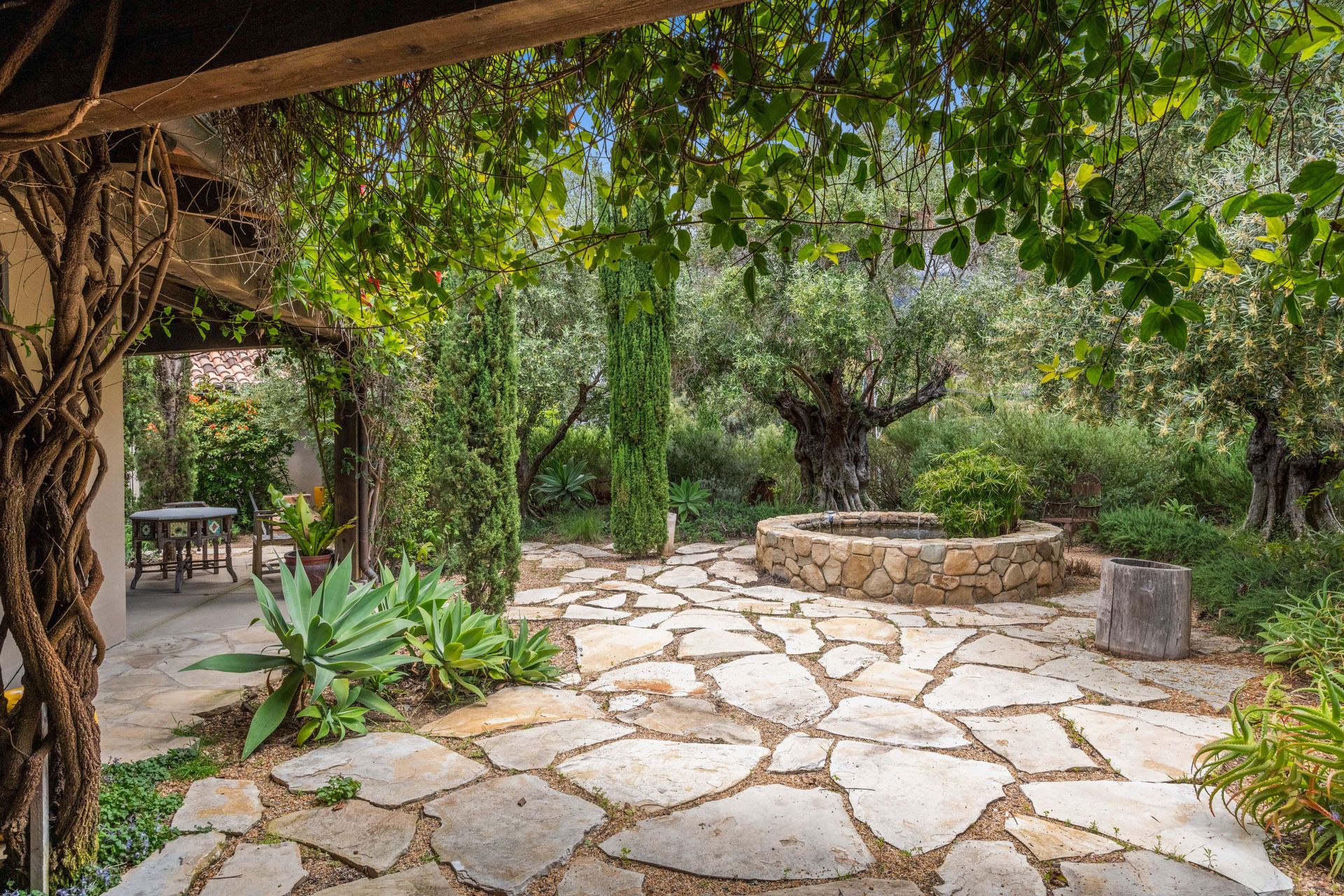
Natural stone such as York stone, Indian sandstone or limestone often suits a period property, while porcelain gives a crisp, low-maintenance finish beside a modern extension. Whichever you choose, the build matters more than the slab. Specialists in porcelain and natural stone patios dig to firm ground, plan the drainage before ordering paving, set a fall away from the house and keep the surface at least 150mm below the damp-proof course.
A period garden rewards careful planning. For more on garden design, decking and drainage, see our landscaping services category.
Ready to work with Lexsee Business Directory?
Let's connect! We’re here to help.
Send us a message and we’ll be in touch.
Agency Contact Form
More Business Tips, Tricks & Tools
Lexee Blog