Is Composite Fencing Worth the Extra Cost?
How composite compares with timber on cost, upkeep and lifespan, and where it makes most sense
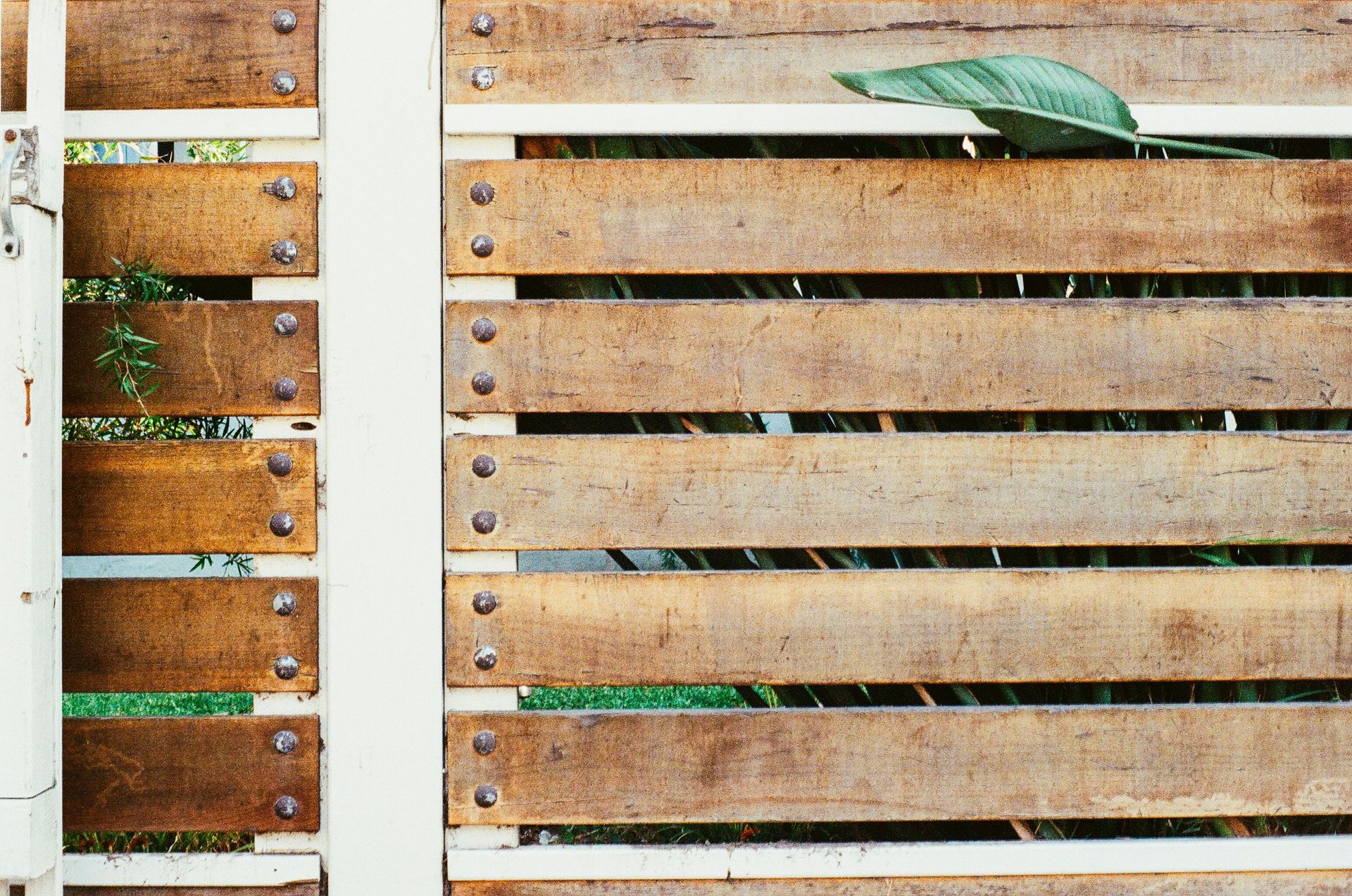
Composite fencing has gone from a niche product to a common sight in British gardens in just a few years. It promises the look of timber without the rot, warping and annual treatment, but it also costs noticeably more at the start. Whether it is worth it depends on how long you plan to stay, how exposed your garden is and how much maintenance you are willing to do.
What composite fencing is
Composite boards are made from a blend of wood fibre and recycled plastic. They usually slot into aluminium or steel posts, or into concrete posts with a matching channel, and are finished with a top rail and cap. Because the boards are coloured all the way through, small scratches are less obvious than on painted timber.
The boards do not absorb water in the way timber does, so they will not rot or split, and they never need staining or painting. A wash with soapy water now and then is normally all they need. Many installers of York composite fencing also fit matching gates, so the whole boundary has the same finish.
Comparing the costs over time
The fairest way to compare is over the life of the fence rather than the day it goes in. A timber fence is cheaper to buy, but it needs treating every couple of years and panels often need replacing after storms. A composite fence costs more upfront but avoids most of those repeat costs.
- Timber panels: lowest starting price, regular treatment, typically replaced sooner
- Composite boards: higher starting price, almost no maintenance, often backed by long manufacturer guarantees
- Concrete posts and gravel boards: a good middle ground that extends the life of timber panels
Where composite makes most sense
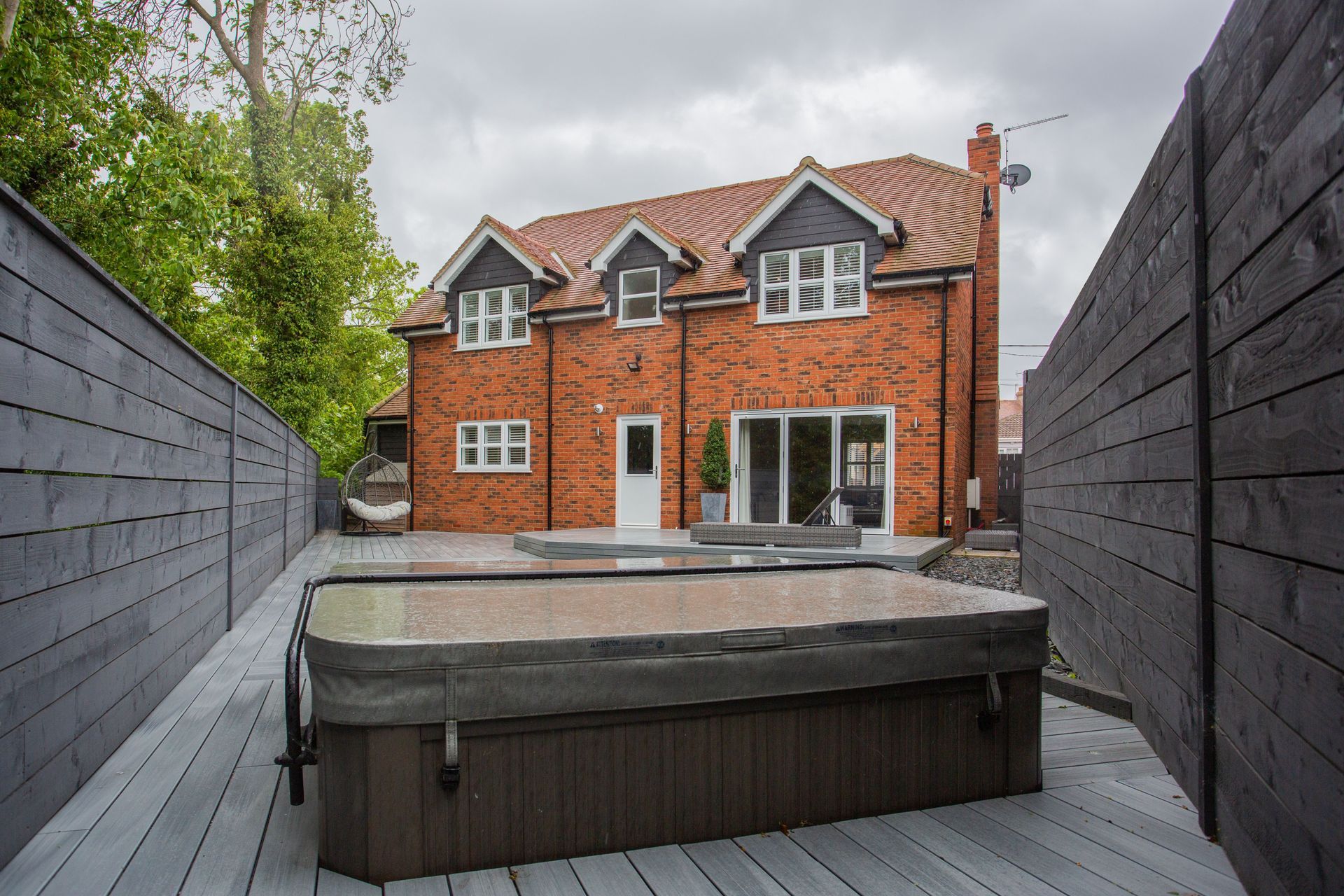
Composite is a strong choice for exposed gardens where timber panels take a battering in the wind, for shaded or damp boundaries where wood tends to rot, and for anyone who simply does not want to spend weekends treating a fence. It also suits modern homes, where the clean lines of the boards match contemporary paving and planting.
If you are planning a wider garden makeover, it is worth matching the materials. Composite fencing pairs well with composite boards from decking installers in York, and both sit comfortably beside porcelain or sandstone paving.
Planning around the rest of the garden
A new fence is best fitted before any paving goes down, as digging post holes next to fresh slabs risks damage. If you are thinking about a new patio as well, ask for both jobs to be planned together so the boundary line and the paving levels are agreed at the start.
Questions to ask before you buy
- What posts will be used? Aluminium, steel or concrete, and how deep the footings will be.
- Which board range is it? Ask for the manufacturer and the guarantee length.
- How tall will the fence be? Fences over 2 metres, or over 1 metre next to a road, usually need planning permission.
- Can gates be matched? A matching gate keeps the look consistent.
- What happens to the old fence? Check that removal and disposal are included.
For many homeowners the lower upkeep alone makes composite worthwhile. For more on garden design, decking and paving, see our landscaping services category.
Ready to work with Lexsee Business Directory?
Let's connect! We’re here to help.
Send us a message and we’ll be in touch.
Agency Contact Form
More Business Tips, Tricks & Tools
Lexee Blog