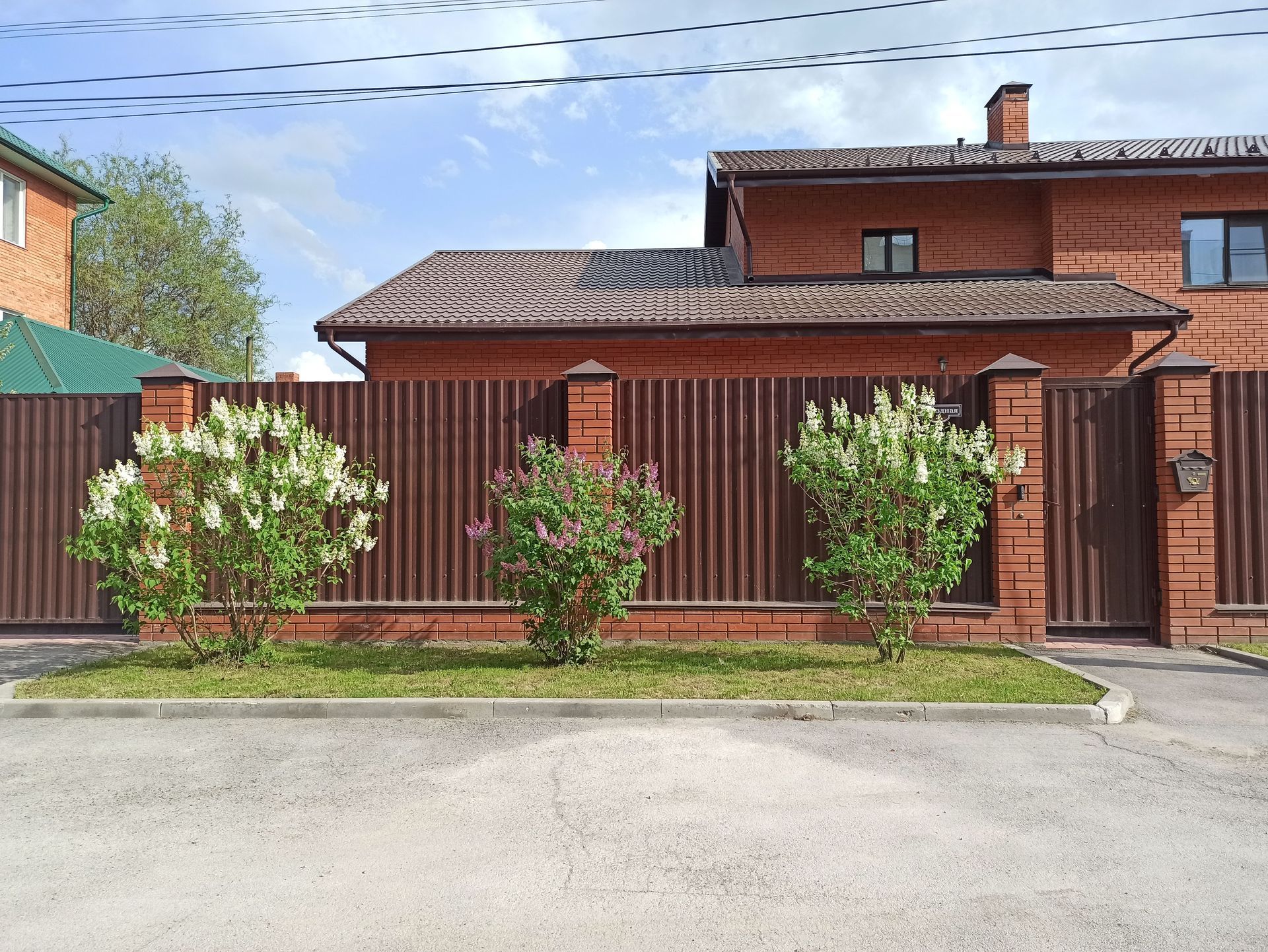
Composite Gates for Scottish Weather: Wind, Rain and Sandstone
Choosing a gate that copes with the Scottish climate
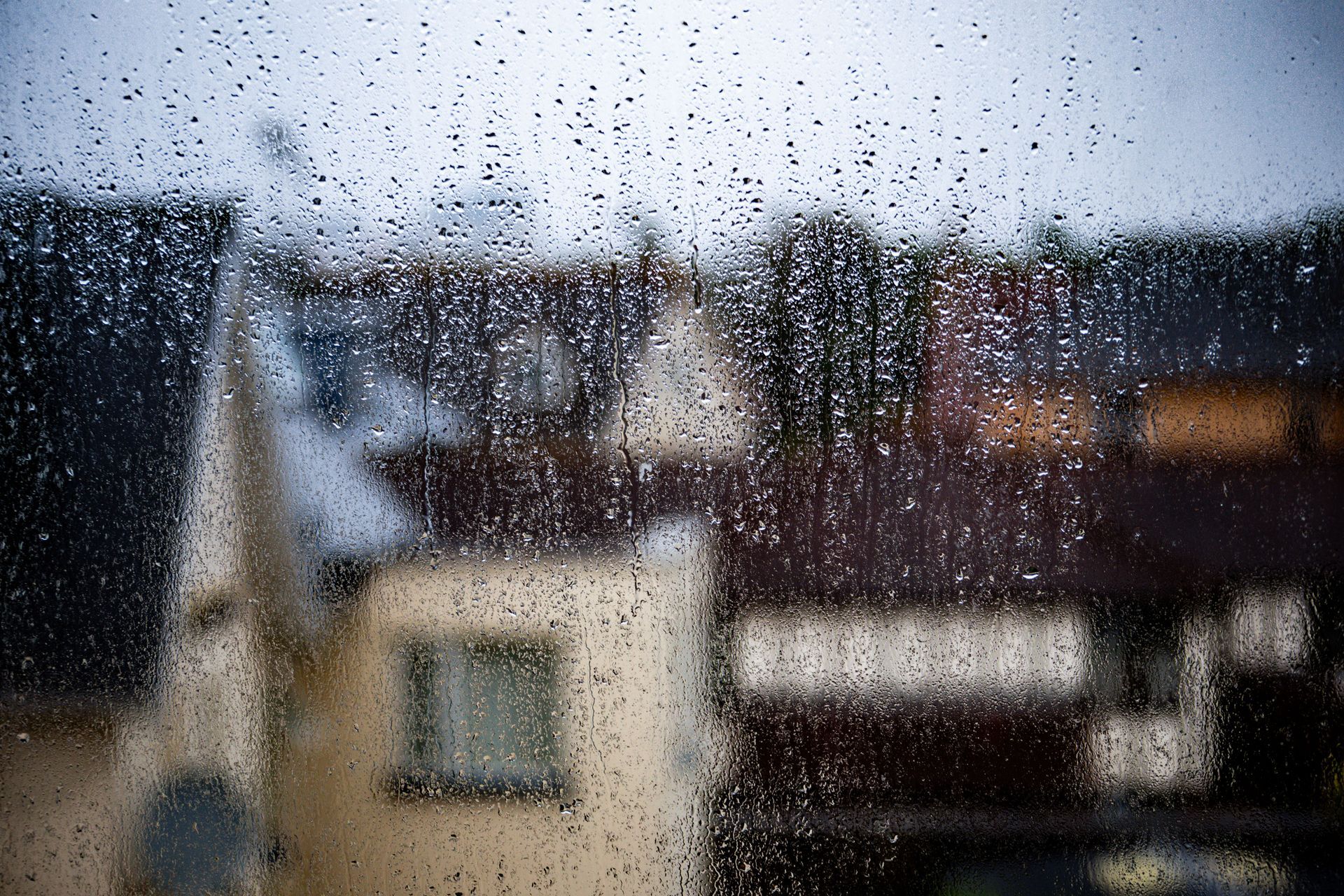
Scotland asks a lot of a gate. Long spells of rain, strong winds off the coast and the Forth and Clyde, freezing winters and salted roads all take their toll, and many older homes add sandstone piers and conservation rules to the mix. Composite gates in steel frames stand up to these conditions well, but the details make all the difference.
Why composite suits Scottish weather
Timber gates absorb water, swell in wet weather and need regular staining to stop them rotting. Composite boards do not absorb water, so they keep their shape through a wet winter and only need an occasional wash. The welded steel frame carries the weight and, once galvanised or primed and powder coated, resists rust far better than a painted finish alone.
Designing for wind
A solid gate acts like a sail. On exposed plots, especially near the coast or on high ground, it is worth considering:
- Partly open infill: slatted gaps or a decorative screen top let the wind through
- A sliding gate: it is less exposed to gusts than a swinging leaf
- Stronger posts and hinges: set deeper and sized for the load
- Good drop bolts and stops: so the gate cannot swing and slam
Edinburgh: conservation areas and sandstone
Edinburgh has extensive conservation areas and many listed buildings, so a new gate may need consent, and its height, style and material may be scrutinised. Sandstone piers are common and can need repair before they will safely take a heavy gate. An Edinburgh composite gate specialist will check the piers, the street setting and the slope of the drive before recommending a design.
Glasgow: rain, salt and freeze-thaw
In the west, sustained wet weather is the main challenge. Road salt attacks cheap fixings and thin finishes, so better galvanising and stainless fixings are worth paying for near treated roads. Freeze-thaw cycles can lift shallow footings, which is why posts need to be set to a proper depth. For homes across the city and its suburbs, made-to-measure composite gates in Glasgow are built around these conditions rather than from stock sizes.
Colours that work
Anthracite grey is the most popular board colour and suits grey sandstone well, while charcoal gives a near-black look. Warmer walnut or chocolate tones can soften a red sandstone villa. The steel frame can be powder coated in almost any colour to match windows, railings or doors.
Getting a price
Most companies start with photos and measurements of the opening, give a provisional quote, then visit to confirm the details. As a guide, a single pedestrian gate typically costs from around £900 to £1,500 fitted, and driveway gates start from around £1,800.
A gate built for the local climate will look good and work smoothly for many years. For more on choosing boundaries and entrances, see our fencing and gates category.
Ready to work with Lexsee Business Directory?
Let's connect! We’re here to help.
Send us a message and we’ll be in touch.
Agency Contact Form
More Business Tips, Tricks & Tools
Lexee Blog