Choosing a Chemical Peel: Glycolic, Salicylic, Lactic and More Explained
What each peel acid does, what happens at the appointment and how to look after your skin afterwards
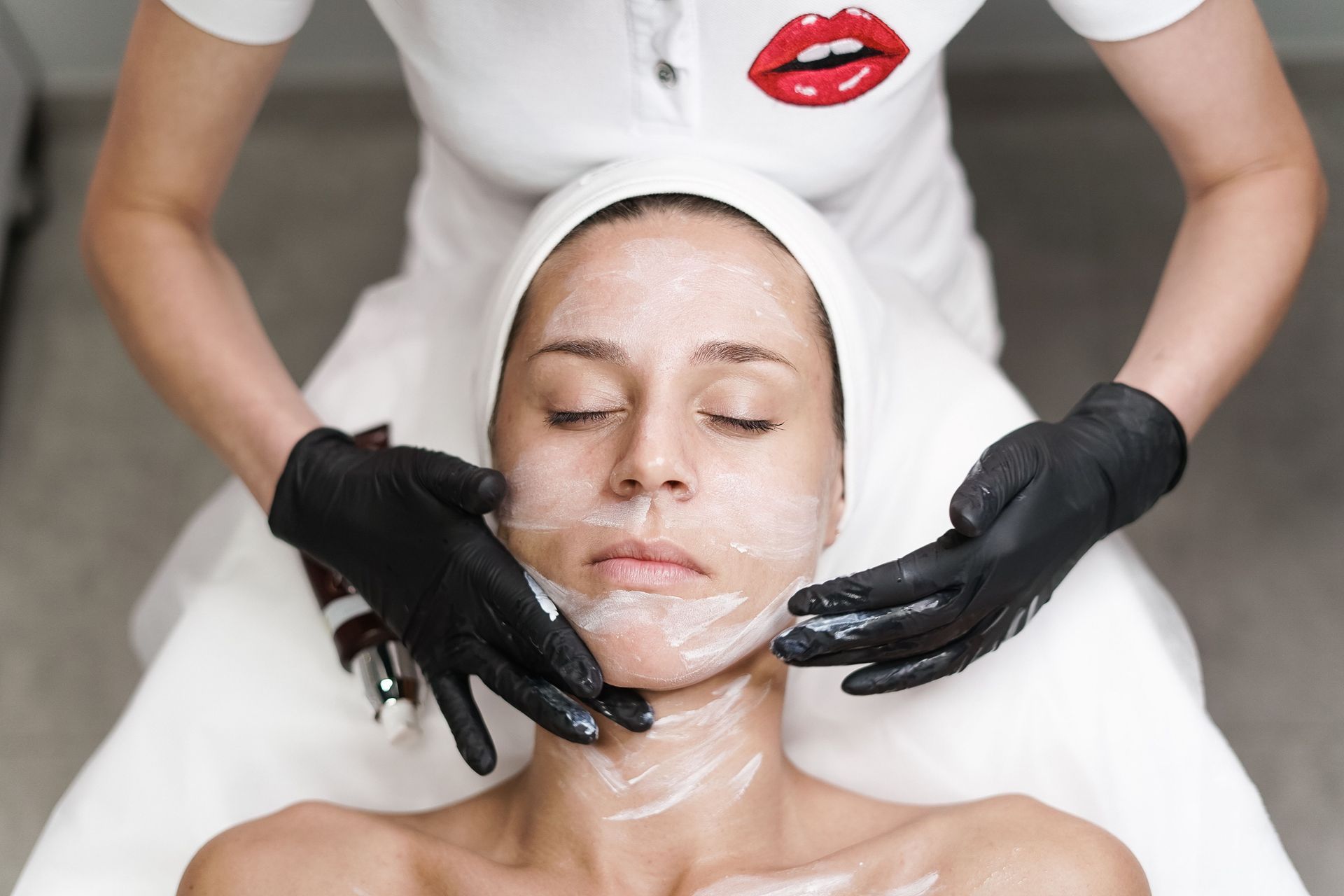
Chemical peels have a reputation for being harsh, but most peels carried out in skin clinics today are light, controlled treatments chosen to suit a specific skin type. The acid used makes a big difference to how a peel feels, what it helps with and how the skin behaves afterwards. Knowing the main types makes it much easier to have a useful conversation at your consultation.
The most common peel acids
- Glycolic acid: a small-molecule alpha hydroxy acid (AHA) that works on dullness, uneven texture and sun damage
- Salicylic acid: an oil-soluble beta hydroxy acid (BHA) that gets into pores, so it is popular for oily, congested and breakout-prone skin
- Lactic acid: a gentler, milk-derived AHA often chosen for dry, dehydrated or dull skin
- Mandelic acid: a larger-molecule AHA that penetrates more slowly, which can suit oily skin that is also sensitive
- Azelaic acid: often used for redness-prone skin and uneven tone
Some clinics also offer branded treatments that combine several ingredients, such as BioRePeel, which is designed to refresh the skin with minimal visible downtime.
What happens at the appointment
A good practitioner starts with a consultation, asking about your skincare routine, medication, recent treatments and how your skin has reacted to products in the past. People with darker skin tones may be offered a patch test first, as some peels can carry a risk of discolouration. The skin is then cleansed and prepared, the peel is applied for a set time, and it is neutralised or removed before soothing products and sun protection go on.
A clinic offering a chemical peel in Nottingham or anywhere else should explain which acid it recommends for you, and why.
Aftercare and downtime
Depending on the peel, skin may feel tight, look a little red or flake for a few days. Aftercare usually means:
- avoiding retinol and other exfoliating acids for a few days
- keeping your routine simple and gentle
- staying out of strong sun and wearing a high-factor SPF every day
- not picking at any peeling skin
One peel or a course?
Many people notice brighter, smoother skin after one peel, but concerns such as congestion or uneven tone usually respond better to a course. Gentler peels can often be repeated every three to four weeks, while stronger ones need longer gaps. Peels also sit well alongside other professional facials such as dermaplaning or extractions, as long as treatments are spaced properly.
Questions to ask before booking
- Which acid do you recommend, and why?
- Do I need a patch test? Especially important for darker skin tones.
- What downtime should I expect? So you can plan around work or events.
- How many sessions are likely? And how far apart?
- What aftercare products will I need? Including SPF.
The right peel, chosen for your skin, can be a simple and effective way to refresh your complexion. For more on choosing a skin or aesthetics clinic, see our aesthetics clinics category.
Ready to work with Lexsee Business Directory?
Let's connect! We’re here to help.
Send us a message and we’ll be in touch.
Agency Contact Form
More Business Tips, Tricks & Tools
Lexee Blog