
Business Categories
House Clearance and Waste Removal
Clearing homes, gardens, garages and business premises: what clearance services cover, how they work and how to choose a responsible, registered company.
House Clearance and Waste Removal Services
Sooner or later most households and businesses need help clearing a property. It might be a parent's home after a bereavement, a rental flat between tenants, a garage that has filled up over the years or an office that is relocating. Clearance companies take on the heavy lifting, sorting and disposal, and the best of them make sure as little as possible ends up in landfill.
What clearance services cover
- House clearance: full or partial clearance of homes, flats and lofts
- Bereavement and probate clearance: sensitive clearances for families and executors, with documents and keepsakes set aside
- Garden clearance: green waste, overgrown gardens, sheds and old garden furniture
- Garage clearance: tools, bikes, boxes and years of stored items
- Bulky waste collection: sofas, mattresses, wardrobes and white goods
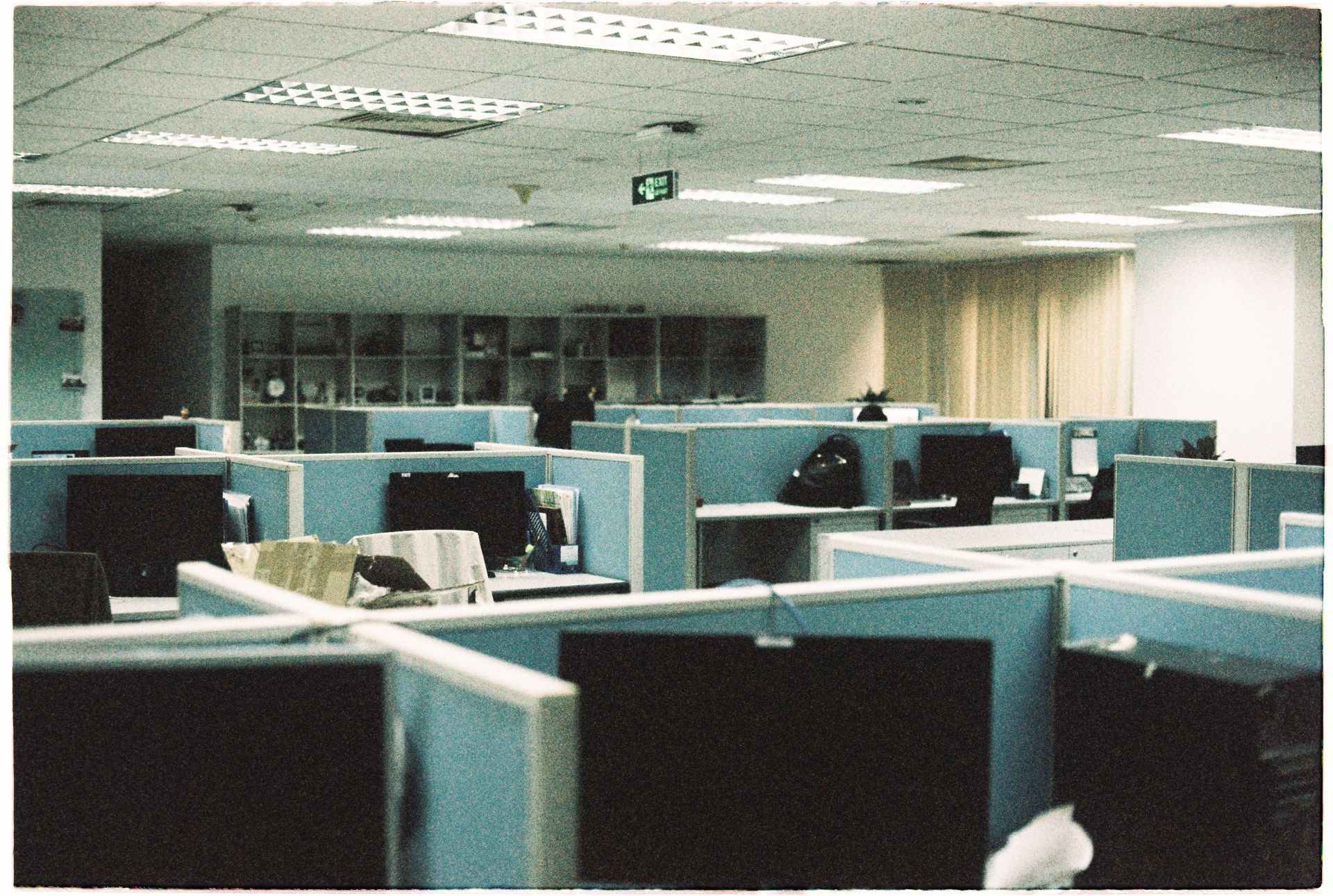
- Office and commercial clearance: furniture, IT equipment and confidential paperwork
- End of tenancy clearance: clearing items left behind so a property can be re-let quickly
How a clearance usually works
Most clearance companies now quote from photographs, so there is often no need for a site visit. Once a price and date are agreed, the team removes everything on the list, working room by room and loading items according to where they will go. Good companies finish with a sweep of the property and leave it ready for cleaning, sale or new occupants.
Items are usually sorted into four destinations: auction houses for antiques and quality furniture, charities for clean and usable household goods, recycling for metal, wood, electricals and garden waste, and licensed disposal only for what cannot be reused.
Choosing a responsible clearance company
Householders and businesses have a legal duty of care for their waste, so it matters who takes it away. If rubbish is fly-tipped by an unregistered collector, the person who handed it over can still be held responsible.
- Registered waste carrier: check the company on the Natural Resources Wales or Environment Agency public register
- Paperwork: ask for a waste transfer note or duty of care receipt
- Reuse and recycling: ask where items will go and how much is kept out of landfill
- Hazardous items: make sure chemicals, asbestos and electricals will be handled correctly
- Clear pricing: get a written quote before work starts
In South Wales, for example, J&Z House Clearance Cardiff clears homes, gardens, garages and offices across Cardiff, Barry, Penarth and the Vale of Glamorgan, quoting from photos and working seven days a week.