Turning a Skill into a Business: Training, Insurance and Licences
What aesthetics practitioners, mobile mechanics and cleaners need in place before they take their first customer
Some businesses can be started with a mop and a phone. Others need recognised training, specialist insurance and, increasingly, a licence. If you are thinking of turning a skill into your own business, it pays to understand the rules for your industry before you spend money on equipment or premises.
Aesthetics: training, prescribers and licensing
Aesthetics is one of the most regulated areas for a new business. Training needs to match every treatment you offer, because insurers will not cover treatments outside your qualifications. Botox is a prescription-only medicine, so non-medical practitioners need a genuine arrangement with a qualified prescriber, and the client must be properly assessed.
- Under-18s: in England it has been a criminal offence since October 2021 to give Botox or dermal fillers to under-18s for cosmetic purposes
- Licensing: the government has announced plans to license non-surgical cosmetic procedures in England, so check the latest position before you open
- Advertising: claims and before-and-after images must follow ASA rules
A detailed guide to starting an aesthetics business covers training routes, prescribers, insurance and licensing in more depth.
Mobile mechanics: qualifications and insurance
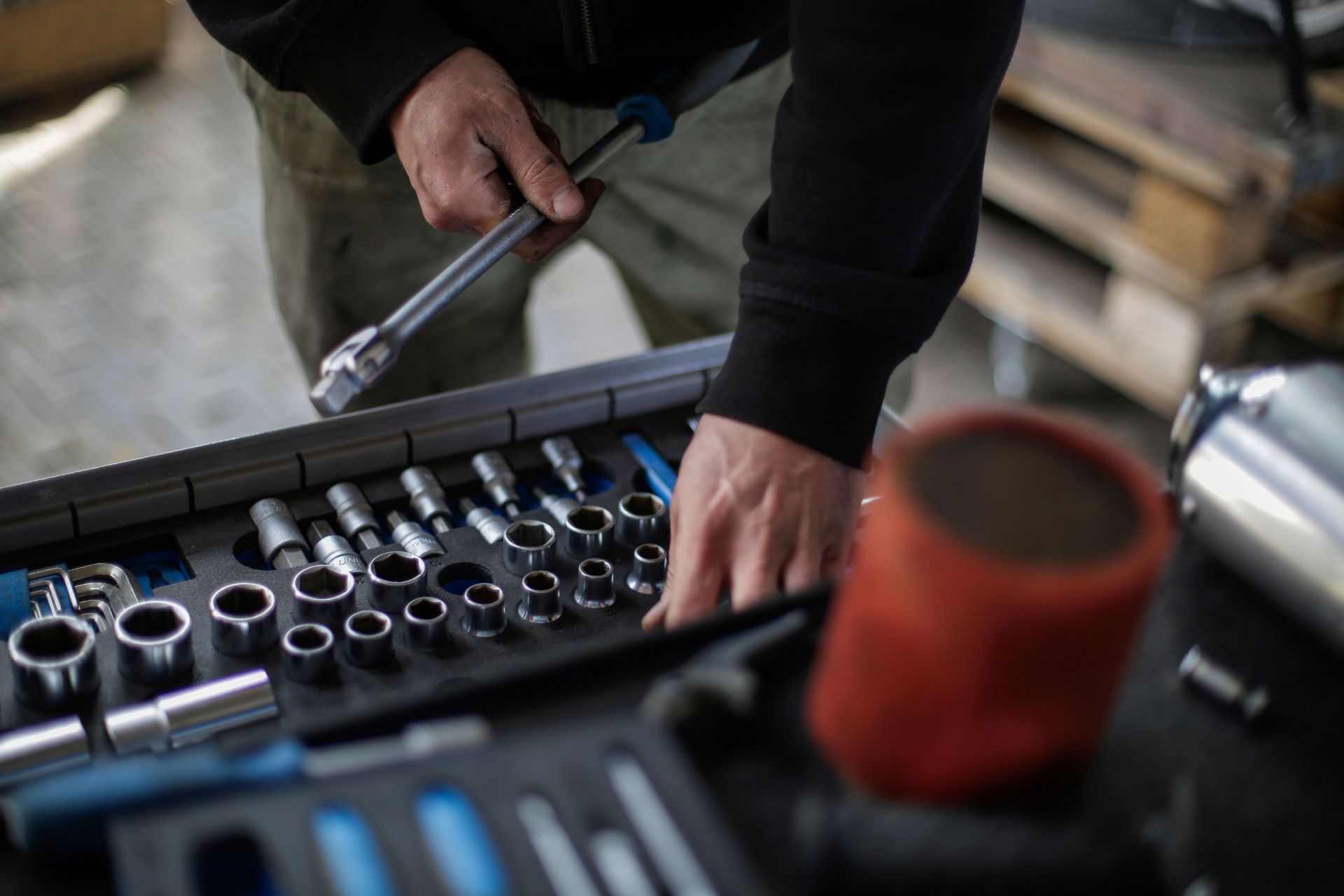
A mobile mechanic can work from a well-equipped van rather than a garage, which keeps overheads low. But insurers generally expect a recognised qualification, such as a Level 2 in light vehicle maintenance and repair, before they will issue cover. Working on the high-voltage systems of electric and hybrid cars needs specific training too.
Motor trade and public liability insurance are the usual starting points, and you will also need a proper arrangement for disposing of waste oil and parts through a licensed waste carrier. If you are considering how to become a self-employed mobile mechanic, budget for training, tools and a van before you take your first job.
Cleaning: few rules, but trust matters
At the other end of the scale, cleaning has no formal qualification requirement. That does not mean it can be started without preparation. Most clients, and especially commercial ones, expect public liability insurance, and many homeowners feel more comfortable with a cleaner who has a basic DBS check. A guide to setting up a cleaning company can help you get these basics in place.
Rules that apply to every new business
- register with HMRC for Self Assessment once your income goes over the £1,000 trading allowance
- take out employer's liability insurance as soon as you employ staff
- check whether you need to pay the ICO data protection fee if you hold client data
- keep clear records of income and expenses from the start
Getting the legal and insurance basics right from day one protects you, your clients and your reputation. For more on new ideas and turning them into businesses, see our business innovation category.
Ready to work with Lexsee Business Directory?
Let's connect! We’re here to help.
Send us a message and we’ll be in touch.
Agency Contact Form
More Business Tips, Tricks & Tools
Lexee Blog