Planning a New Driveway: Surfaces, Drainage, Walls and Boundaries
The base, the drainage and the boundary walls and fencing matter as much as the surface you choose

A new driveway changes the whole front of a house, and it is one of the larger outdoor projects most homeowners take on. The surface gets most of the attention, but the parts you cannot see, such as the base, the drainage and the edges, decide how long it lasts. Planning the boundary walls and fencing at the same time often saves money and gives a more finished result.
Choosing a driveway surface
- Block paving: hard-wearing, easy to repair a few blocks at a time, and available in permeable versions
- Natural stone: Indian stone and similar materials give a smarter finish, often matching a patio
- Gravel: the most affordable option, permeable and quick to lay, though it needs edging to keep it in place
- Cobbles and setts: a traditional look, laid on a well-prepared base
- Concrete: durable and practical for larger areas
Whichever you choose, the quality of the base matters most. A driveway that carries cars needs a deep, well-compacted sub-base, and cutting corners here is the most common cause of dips, cracks and loose blocks. Contractors laying block paving and gravel driveways should explain how deep they will dig and what goes underneath.
Drainage and planning permission
In England, a new front driveway over 5 square metres usually needs planning permission unless it is made of a permeable surface or drains onto a lawn or border within your property. Water must not run straight onto the road. If you need a new or wider dropped kerb, that is a separate application to the council.
Walls for sloping plots
Many front gardens slope towards or away from the road. Levelling the area for parking often means building a retaining wall to hold back the soil on one side. These walls need proper foundations and gravel drainage behind them, and taller walls may need an engineer's design. Asking about a retaining wall built alongside the driveway at the quoting stage avoids two separate rounds of groundwork.
Finishing the boundary
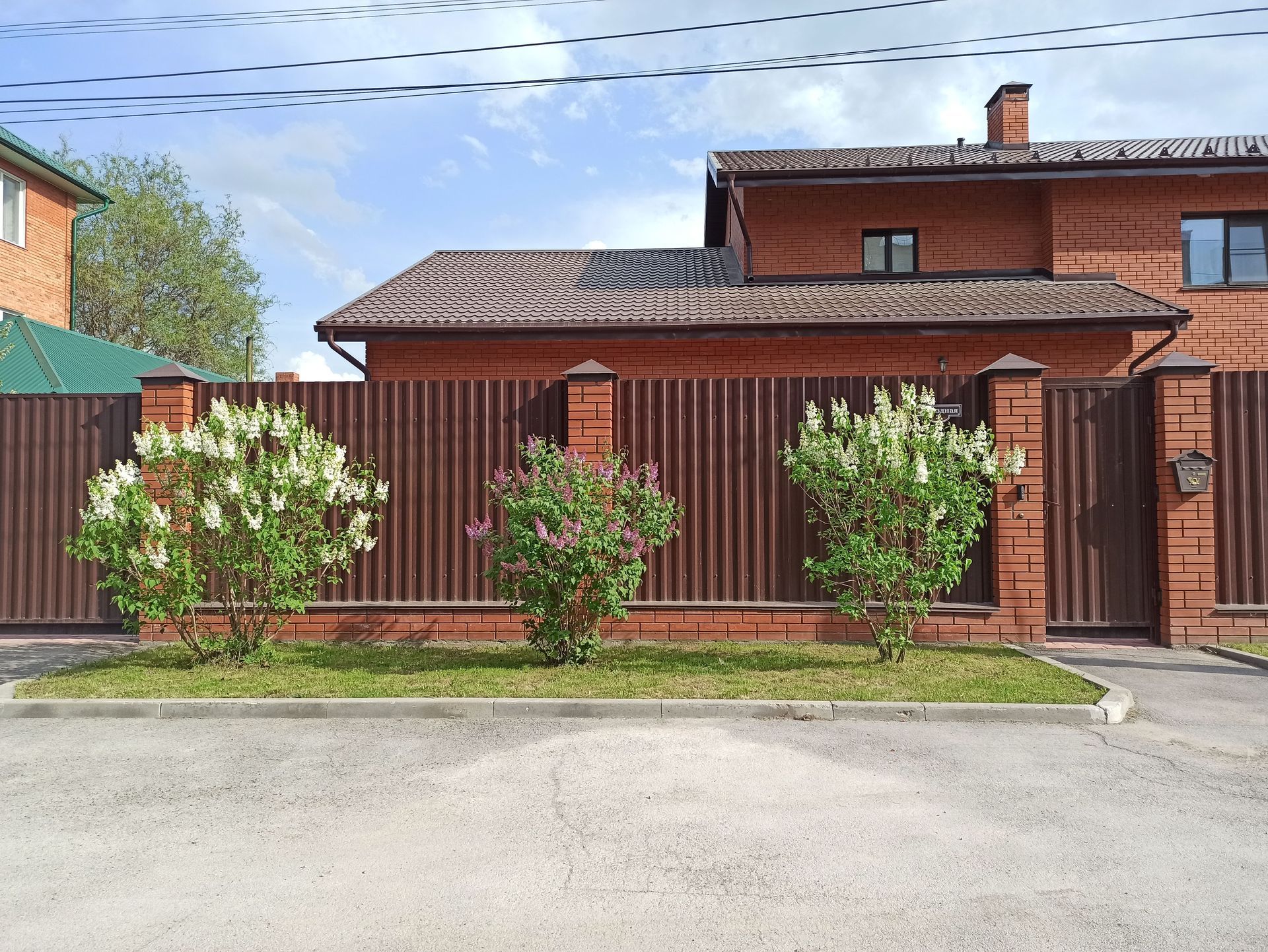
Once the driveway is laid, a tired fence along the side can spoil the look. Composite fencing is a popular choice next to new paving because it does not rot, need painting or fade quickly, and manufacturer warranties of around 20 years are common. Sound concrete posts can sometimes be reused, which keeps the cost down. Firms fitting composite fencing in Leeds can often complete the boundary as part of the same project.
Questions to ask before you book
- How deep is the sub-base? And what material is used?
- Where will the water go? Permeable surface, drainage channel or soakaway.
- Is planning permission needed? And who will apply for any dropped kerb?
- What edging is included? Kerbs or edging blocks hold the surface in place.
- What guarantee is offered? On materials and on the workmanship.
A driveway planned with its walls and boundaries in mind looks better and lasts longer. For more on choosing driveway and paving contractors, see our driveways and paving category.
Ready to work with Lexsee Business Directory?
Let's connect! We’re here to help.
Send us a message and we’ll be in touch.
Agency Contact Form
More Business Tips, Tricks & Tools
Lexee Blog