Choosing a Tiler: What Good Bathroom and Floor Tiling Looks Like
Waterproofing, preparation and the small details that separate a good tiling job from a poor one, plus the questions to ask before you hire a tiler.
Tiling is one of those trades where the difference between a good job and a poor one is obvious every day. Uneven grout lines, lipped edges, hollow-sounding tiles and mould in the corners of a shower all point back to how the work was planned and fixed. Knowing what good tiling looks like makes it much easier to choose a tiler and to judge the finished job.
What good bathroom tiling involves
In a bathroom, the most important work is hidden. Wet areas around the shower and bath should be waterproofed with a tanking membrane before any tiles go on, and standard plasterboard in those areas swapped for a water-resistant backer board. Tiles are then set out from a centre line so cuts are even at both ends, and joints around baths and trays are finished with sanitary silicone rather than grout so they can flex.
A tiler should also think about where water will run. Shower floors and wet rooms need a gentle fall to the drain, and wall tiles should overlap tray upstands correctly. When comparing quotes for bathroom tiling in Derby or elsewhere, ask how the waterproofing will be done, not just which tiles will be used.
Floor tiling: the base decides everything
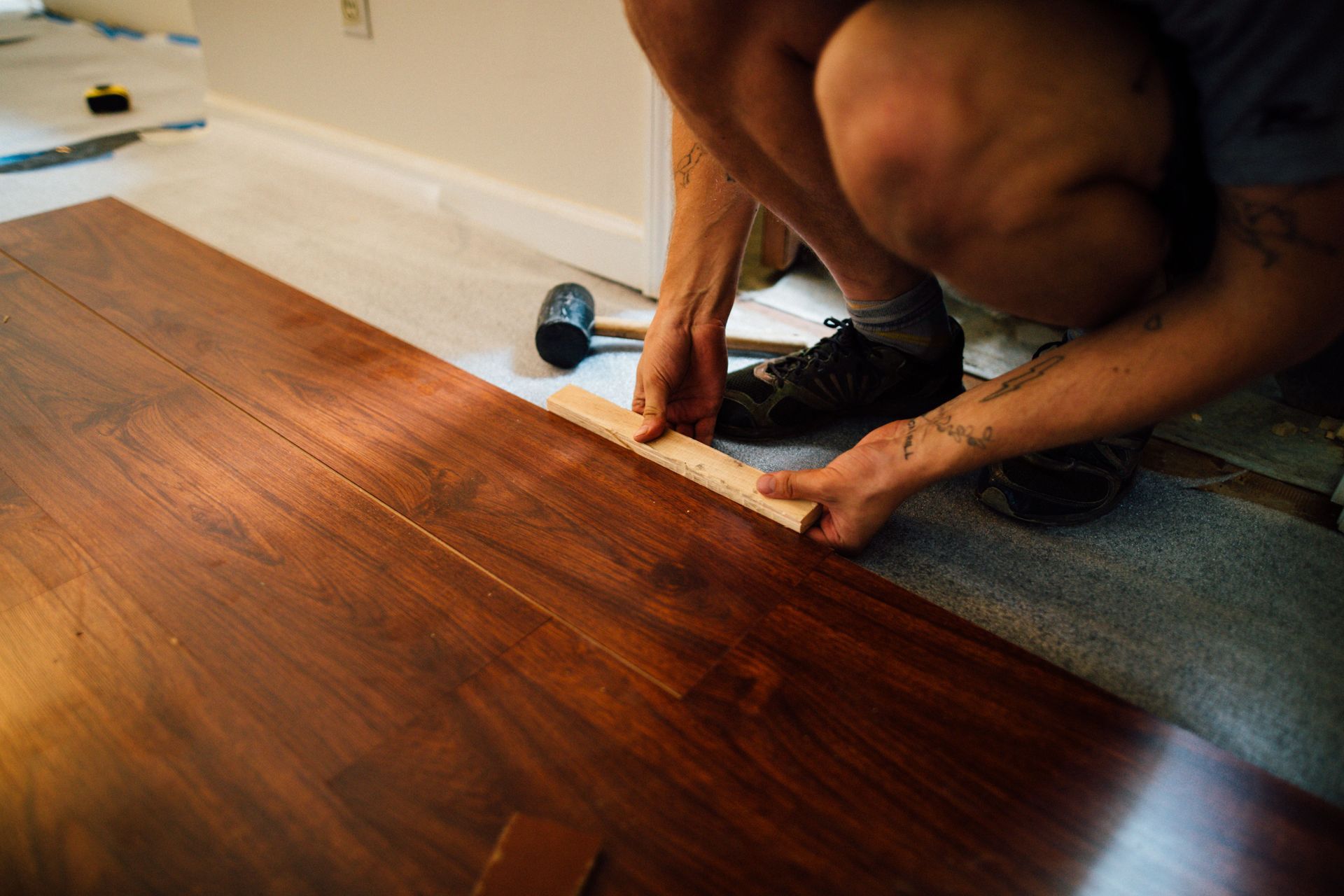
A tiled floor is only as good as the surface underneath. Concrete floors need to be dry, sound and level, and new screeds need time to dry before tiling. Timber floors need stiffening and overboarding so that they do not flex and crack the tiles. Large-format tiles are especially unforgiving, as even small dips in the subfloor show up as lipped edges.
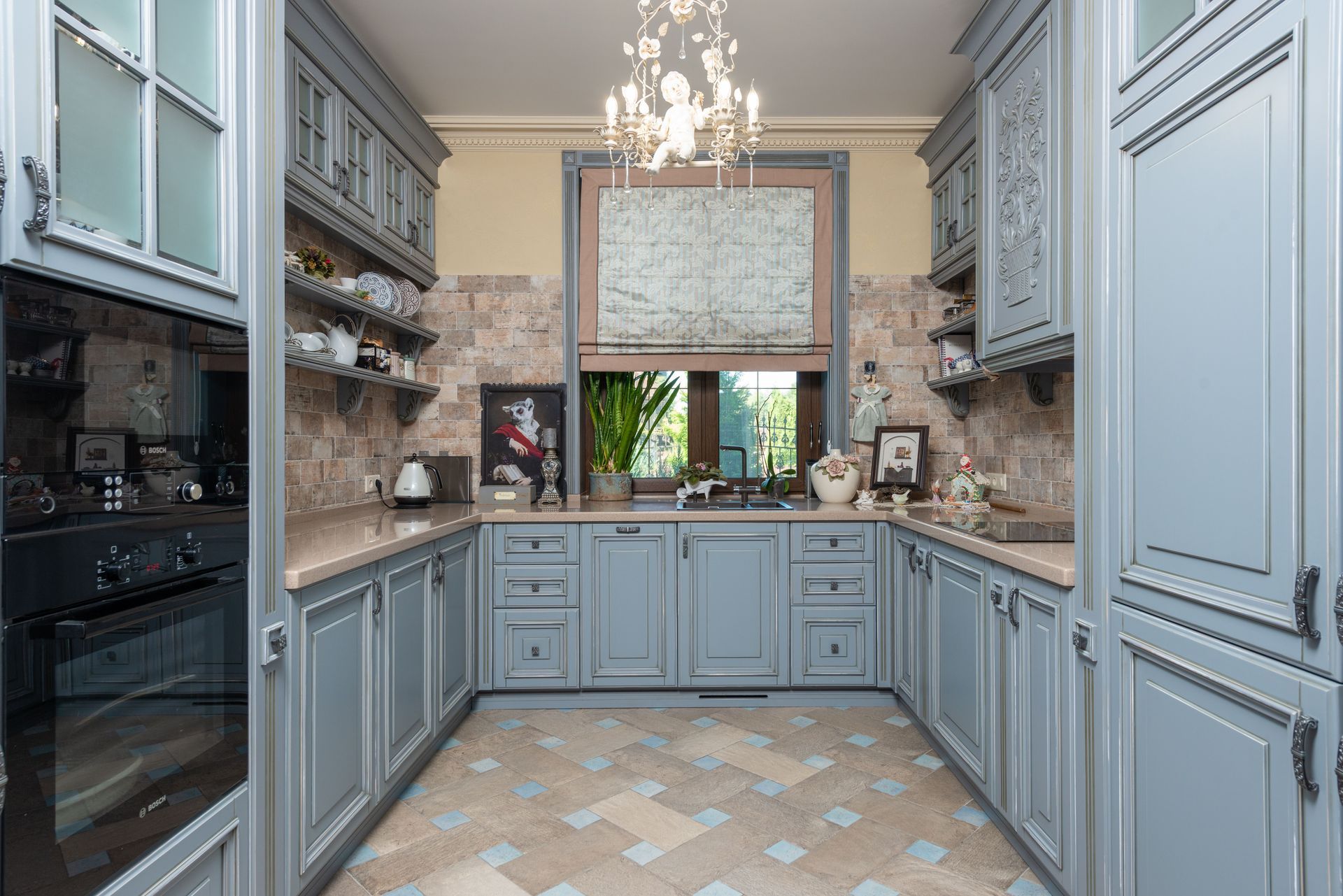
The tile itself matters too. Porcelain is dense and hard-wearing, natural stone needs sealing, and floor tiles should have enough slip resistance for the room. Good professional floor tiling also leaves a movement gap around the edges of the room and uses flexible adhesive where underfloor heating or timber floors are involved.
Signs of a well-tiled room
- Even joints: straight, consistent grout lines with no wandering
- Flat surface: no lipped edges you can catch with a fingernail
- Balanced cuts: similar-sized cut tiles on opposite sides of a wall or floor
- Neat details: clean cuts around pipes, sockets and windows, and trims that line up
- Solid tiles: no hollow sound when tiles are tapped, which points to poor adhesive cover
Questions to ask a tiler
- What preparation is included? Removing old tiles, boarding, levelling and tanking should be priced clearly.
- Which adhesive and grout? Flexible products suit timber floors and underfloor heating.
- Who supplies the tiles? Check who orders them and how much extra is allowed for cuts and breakages.
- How long will it take? Adhesive, grout and silicone all need time to cure.
- Can I see previous work? Photos of similar rooms show the quality of finish.
Tiles can last for decades when they are fixed properly. For more on planning work around the house, see our home improvements category.
Ready to work with Lexsee Business Directory?
Let's connect! We’re here to help.
Send us a message and we’ll be in touch.
Agency Contact Form
More Business Tips, Tricks & Tools
Lexee Blog