Keeping Artificial Grass Clean for Dogs, Nurseries and School Playgrounds
A practical cleaning routine for dog runs, nursery gardens and school playgrounds, from daily checks to the yearly deep clean.
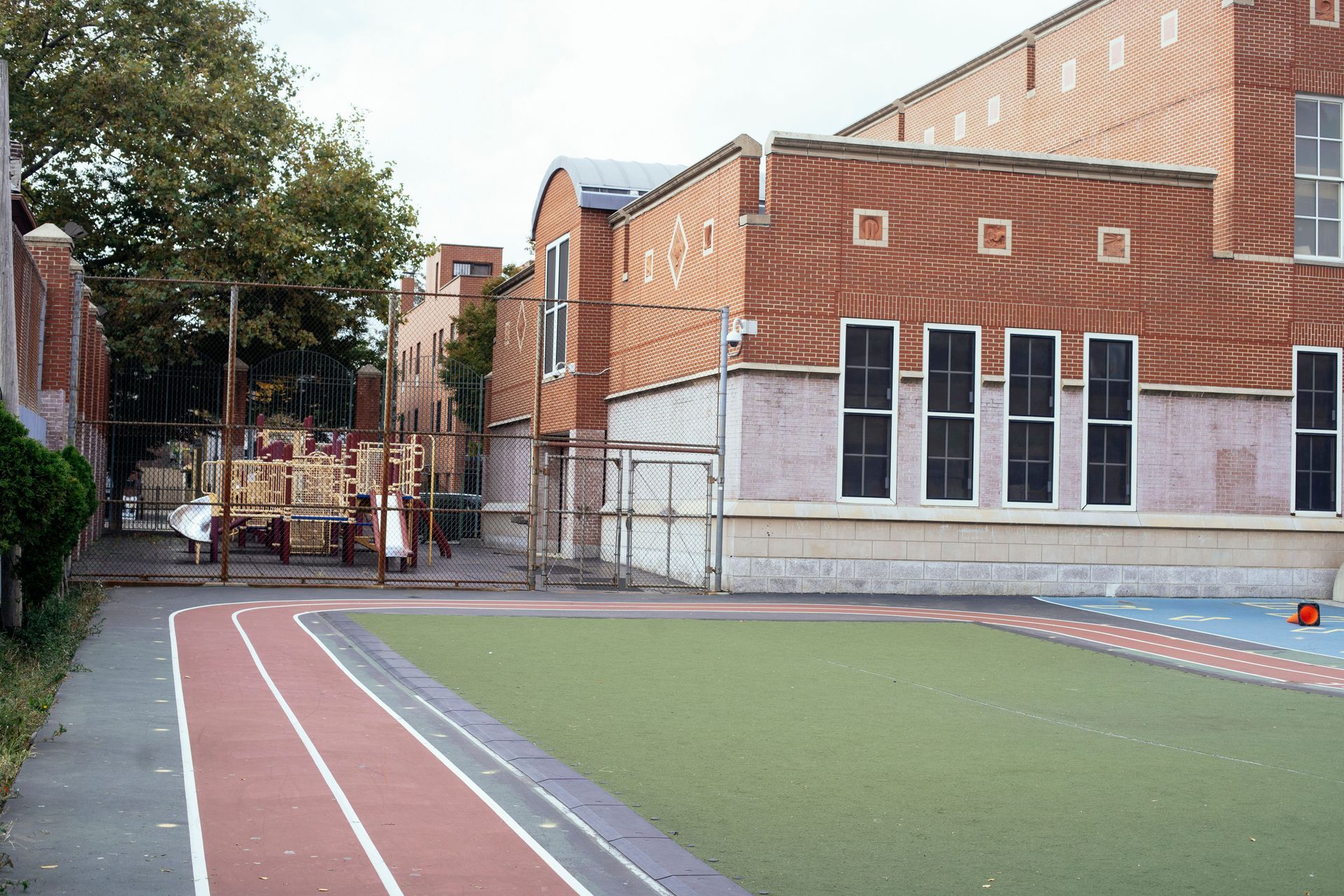
Artificial grass is low maintenance, not no maintenance. In a quiet back garden, a brush every few weeks and a rinse now and then is usually plenty. Dog runs, nursery gardens and school playgrounds are a different story. They are used every day, often by dozens of feet or paws, and the routine needs to match that level of use if the surface is going to stay clean, safe and good-looking for its full lifespan.
Why busy areas need a routine
Leaves, dust, crumbs and pet waste gradually settle between the fibres. Foot traffic follows the same paths every day, so the pile flattens in some places while staying upright in others. Left alone, trapped debris holds moisture, encourages moss and weeds along the edges and, in dog areas, leads to odours. None of this is difficult to prevent, but it does need to happen regularly rather than once a year.
Looking after artificial grass with dogs
Most of the work with a dog lawn is little and often. Solid waste should be picked up as soon as possible and the spot rinsed with a hose. The whole area your dog uses should be rinsed about once a week, and more often in hot weather, when smells build up faster.
- Use an enzyme-based cleaner made for artificial grass on the spots your dog uses most
- Avoid bleach and strong household disinfectants, which can damage the fibres and the backing
- Brush against the grain every few weeks to lift the pile in favourite lying and running spots
- After rinsing, check that the water drains away quickly rather than pooling
That last point is the important one. If water sits on the surface or smells keep coming back however often you clean, the problem is almost always underneath the grass rather than on it. The easiest lawn to keep fresh is one that was built with drainage in mind from the start, so when you compare quotes for pet-friendly artificial grass in Reading, ask how the base, membrane and backing will deal with urine.
School playgrounds and nursery gardens
In schools and nurseries, maintenance is as much about safety as appearance. A quick visual check before children go out each day catches litter, leaves and anything sharp that has blown in or been dropped. A leaf blower or stiff brush clears most debris in a few minutes.
Wear is rarely spread evenly. The ground under swings, at the bottom of slides and around gates and benches takes far more traffic than the rest of the surface, so those areas need brushing more often. Any lifting edges or seams should be dealt with quickly, as they can become trip hazards, and the shock padding under play equipment should be checked to make sure it is still firmly in place.
School holidays are the ideal time for bigger jobs, such as treating moss or weeds at the edges and booking a professional deep clean, which lifts the pile and removes fine debris that a brush cannot reach. When planning artificial grass for schools in Reading, it is worth asking the installer for a written maintenance plan alongside the guarantee, so that site staff know exactly what is expected.
A simple maintenance calendar
- Daily: remove dog waste and rinse the spot; in schools, a quick visual check of the play area.
- Weekly: rinse dog areas; brush high-traffic spots such as slide exits and gateways.
- Monthly: clear leaves and debris from edges and corners, and check seams and edging.
- Seasonally: extra leaf clearing in autumn, and moss or weed treatment at the edges in spring.
- Yearly: a deep clean and power brush, plus a check of shock pads under play equipment.
A few minutes a day and a little more each season is all it takes to keep a hard-working artificial lawn in good condition for many years. For more on choosing and caring for synthetic lawns, see our artificial grass category.
Ready to work with Lexsee Business Directory?
Let's connect! We’re here to help.
Send us a message and we’ll be in touch.
Agency Contact Form
More Business Tips, Tricks & Tools
Lexee Blog