Getting Your Home Ready for an EV Charger, Smart Security and Modern Power Demands
Why the fuse box comes first, what a car charger installation involves, and how alarms and cameras fit into a modern electrical upgrade.
The way we use electricity at home has changed more in the last ten years than in the previous thirty. Electric cars, smart thermostats, video doorbells, security cameras and home offices all draw on a household electrical system that, in many homes, was designed for a kettle, a cooker and a few lamps. Before adding any of these, it is worth looking at the installation as a whole rather than one gadget at a time.
Start with the fuse box
The consumer unit is where every circuit in the house begins, and it is often the first thing that needs attention. Older fuse boxes with rewirable fuses offer little protection against electric shock, and many have no spare capacity for new circuits. Modern consumer units include RCD protection and individual circuit breakers, and many electricians will recommend replacing an old fuse box before connecting a car charger or another high-demand appliance.
Consumer unit replacement is notifiable under Part P of the Building Regulations, so it must be carried out by a registered electrician who will issue an Electrical Installation Certificate and notify building control on your behalf.
Adding an EV charger
For most homes with off-street parking, a 7kW smart charger is the usual choice. It typically charges an electric car several times faster than a standard three-pin socket and can be set to charge overnight on a cheaper tariff. Home charge points sold in the UK must now include smart functionality, which allows charging to be scheduled and, with the right setup, matched to solar panels.
A proper installation starts with a survey. The electrician checks the capacity of the incoming supply and consumer unit, the type of earthing, and the cable route from the board to the parking space. Most straightforward installations take around half a day, with longer jobs where a consumer unit upgrade or a long cable run is needed. If you are planning home EV charger installation in Derby or the surrounding area, ask whether the quote includes any earthing or supply upgrades. Government grants have changed over time and are now aimed mainly at renters and flat owners, so check current eligibility before you buy.
Alarms, cameras and smart security
Home security has moved on from a bell box on the wall. Modern systems combine door and window sensors, motion detectors and cameras, with alerts and live footage sent straight to your phone. Wireless alarms are a good fit for older homes where running new cables would mean disturbing plaster and decoration, while wired systems suit new builds and major renovations where cables can be hidden during the work.
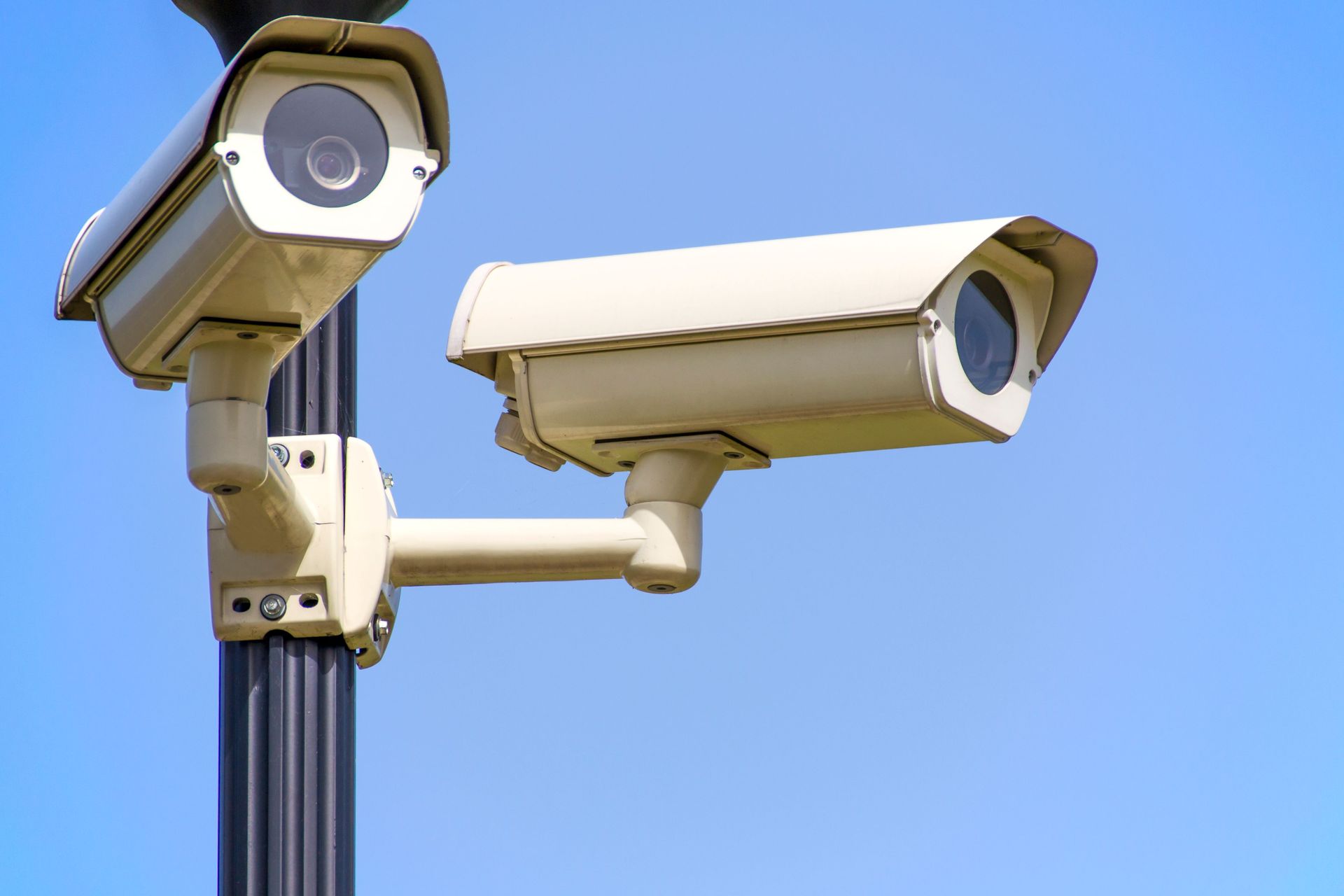
Cameras need a little more thought. Position them to cover your own property, as footage that captures neighbouring homes or the public street can bring data protection responsibilities. A professional installer of burglar alarm and CCTV systems can advise on camera angles, storage and remote viewing, as well as the power and network points each device needs.
Bringing it together
- Check the consumer unit before adding any new high-demand circuit
- Survey the supply and earthing before ordering an EV charger
- Plan camera positions to cover your property, not your neighbours'
- Combine jobs where possible to reduce disruption and repeat visits
- Keep certificates for notifiable work, as buyers and insurers may ask for them
Treating these upgrades as one plan rather than separate purchases makes the electrics safer and the installation tidier. For more ideas on improving your home, see our home improvements guide.
Ready to work with Lexsee Business Directory?
Let's connect! We’re here to help.
Send us a message and we’ll be in touch.
Agency Contact Form
More Business Tips, Tricks & Tools
Lexee Blog