Low-Maintenance Garden Rooms, Decking and Fencing
How to plan a garden room, raised deck, balustrade and fence together so the whole garden needs less upkeep.

Most people want a garden they can use, not one that takes up every spare weekend. That has pushed demand towards materials that look good for years with very little attention: composite decking instead of timber that needs staining, composite fencing instead of panels that warp, and garden rooms that are built to be used all year rather than left empty from October to April. Planned together, these three can transform how a garden works while cutting the upkeep right down.
Why low maintenance starts with planning
A low-maintenance garden is not just a matter of choosing the right products. It depends on how those products are put together. A deck that is not level will hold water, a fence set in shallow footings will lean after a few winters, and a garden building on a poor base will soon develop problems with doors and windows. The materials matter, but so does the order in which the work is done and who is responsible for each part.
Garden rooms: an extra room without an extension
A garden room is one of the most practical ways to add space to a home. It is usually less disruptive than an extension and, in most cases, falls under permitted development, so a full planning application is not needed. The limits are worth knowing: the building should be single storey, sit to the side or rear of the house and keep within height limits near boundaries, and it cannot be used as self-contained living accommodation. Conservation areas and listed buildings can be exceptions, so it is always worth checking with your council.
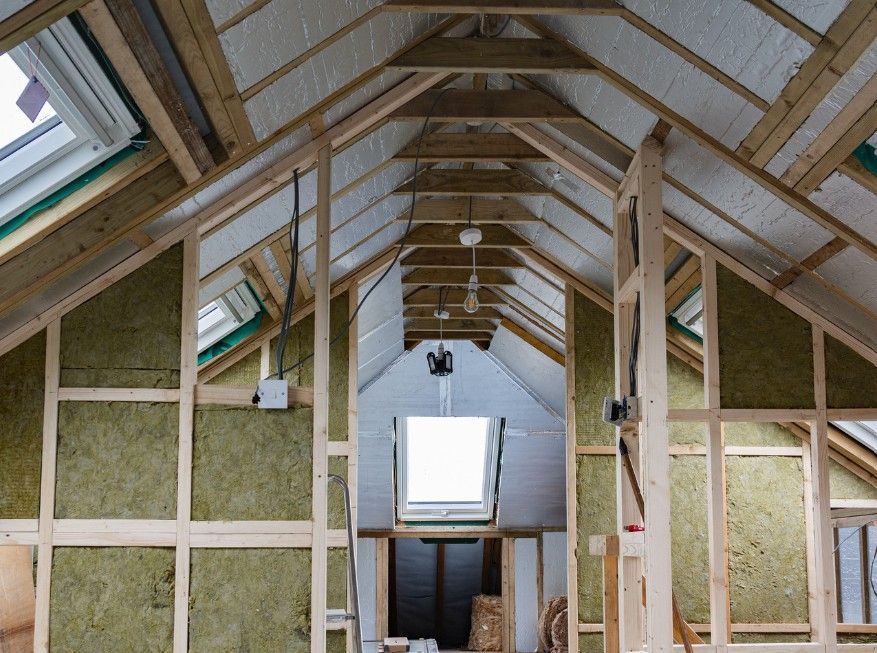
The key question when comparing quotes is what you are actually getting. A true garden room is insulated in the floor, walls and roof, double glazed and wired for power and lighting. Without those, it is a summer house, which is cheaper but only really usable in warmer months. Specialists in insulated garden offices in Sheffield build them on site to suit each garden and can include the deck that runs up to the doors.
- Garden office: a lockable workspace with sockets where the desk will go and insulation for winter
- Studio: larger glazing for art, music or photography
- Home gym: a reinforced floor and good ventilation
- Entertaining space: bi-fold doors opening onto a deck or patio
Decking that stays safe and tidy
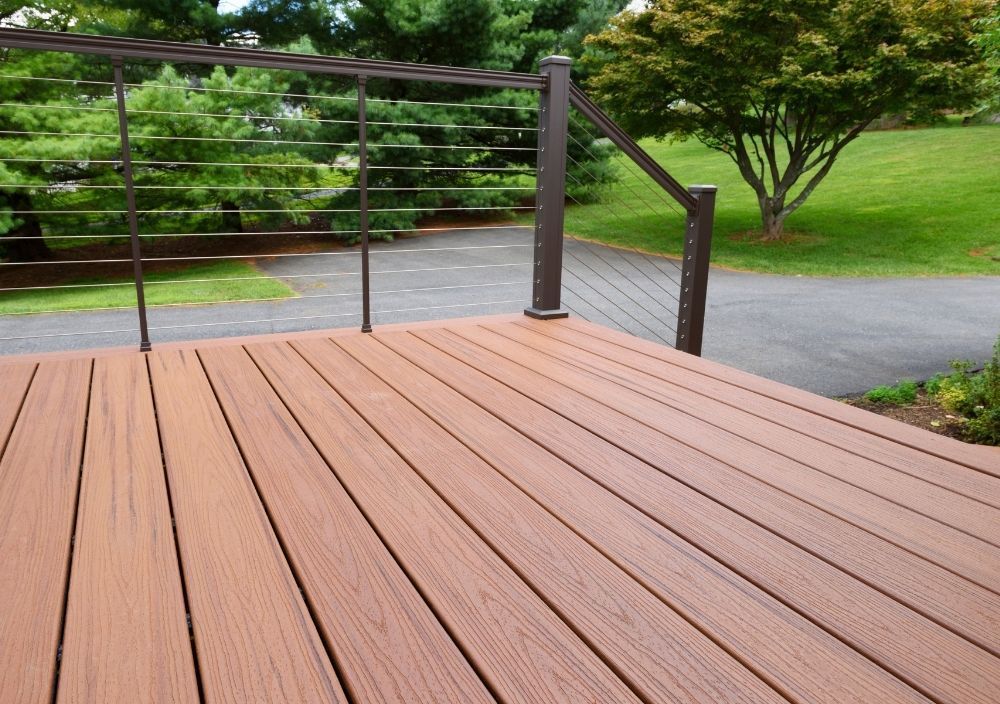
Composite decking does not rot, splinter or need staining, and an occasional wash keeps it looking fresh. Hidden clip fixings leave a clean surface, and an aluminium subframe will not twist or decay in the way a timber frame can. For many households this is the single biggest saving in garden maintenance.
Raised decks need guarding once the edge is more than 600mm above the ground. Glass and metal balustrades need little more than a wipe down, and composite balustrades match the boards without any painting. Well-chosen deck balustrades and lighting should be planned with the frame, because the posts fix into the joists rather than the boards. Recessed LED deck lights can last for years, and any new outdoor circuit should be certified.
Fencing that does not need painting
Boundary fences are often the most time-consuming part of a garden to look after. Softwood panels need regular treatment and are prone to warping and storm damage. Composite fencing, made from recycled wood fibre and plastic, resists rot and warping and needs no staining at all. It comes in solid boards for privacy or slatted designs for a lighter look, and in colours that can be matched to composite decking for a consistent finish.
It costs more upfront than softwood, but over ten to fifteen years the lack of maintenance and replacement usually makes up the difference. Reusing sound concrete posts can also bring the price down. If you are looking at composite fencing in Sheffield, ask for an itemised quote that covers posts, boards, groundworks and removal of the old fence.
Bringing it together
- Survey the whole garden. Levels, access, drainage and boundaries all affect the deck, fence and garden room.
- Plan the structures first. Decide where the garden room, deck and steps will go before choosing finishes.
- Run the cables early. Lighting and garden room power should be in place before the deck is boarded.
- Match the materials. Composite decking, balustrades and fencing from the same range give a consistent look.
- Use one team where possible. Fewer hand-offs mean fewer delays and one point of contact if anything needs attention.
Handled this way, a garden room, deck and fence become a single, low-maintenance outdoor space rather than three separate projects. For more on planning outdoor work, see our landscaping services guide.
Ready to work with Lexsee Business Directory?
Let's connect! We’re here to help.
Send us a message and we’ll be in touch.
Agency Contact Form
More Business Tips, Tricks & Tools
Lexee Blog