Bespoke Joinery for the Home: Fitted Wardrobes, Staircases and Internal Doors
What a joiner can build that an off-the-shelf product can't, and the questions to ask before choosing one for wardrobes, stairs or doors.
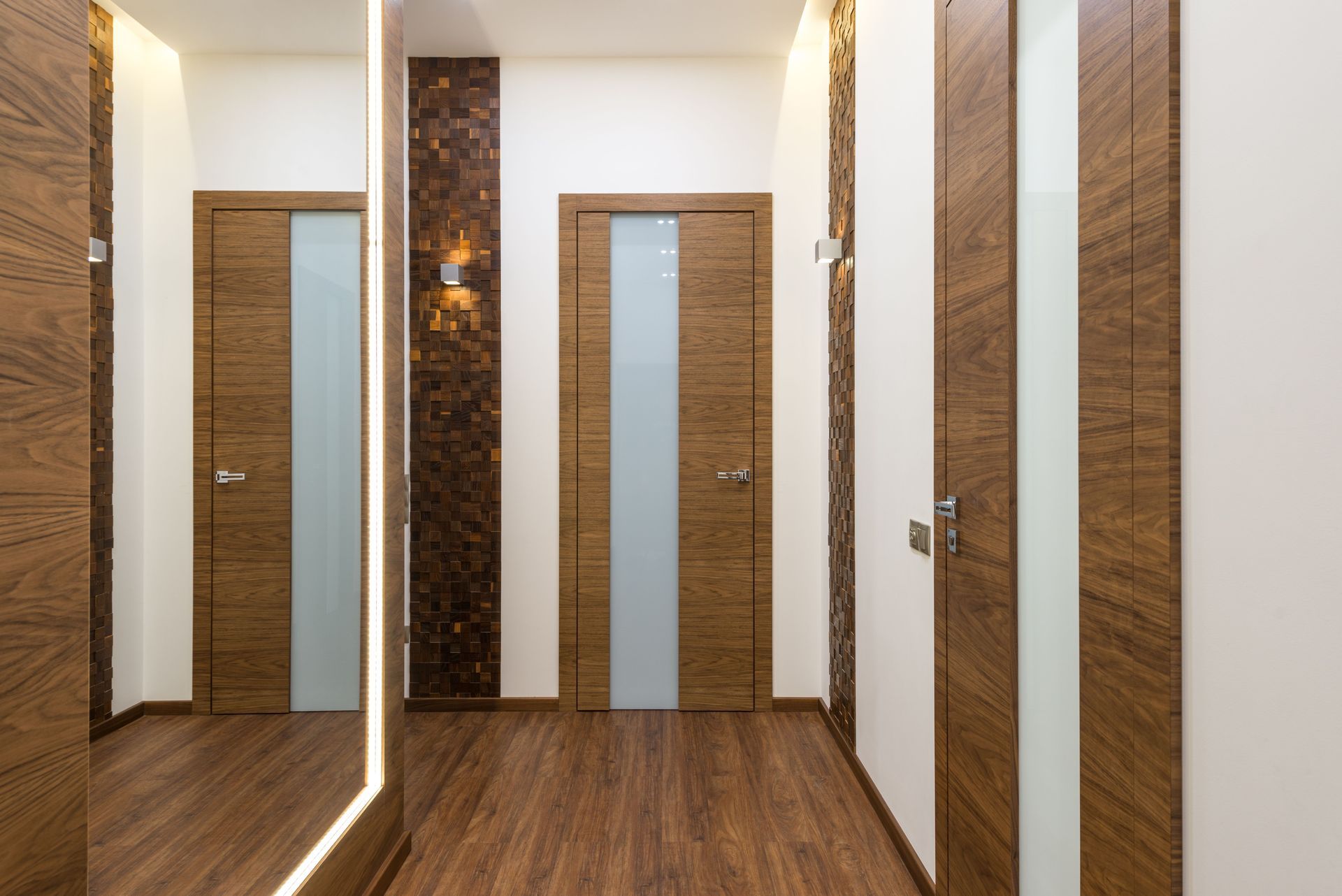
Most homes are full of joinery that nobody notices until something goes wrong: a door that sticks, a skirting board pulling away from the wall, a banister that wobbles on the way upstairs. Good joinery is the opposite. It fits the house so well that it looks as if it was always there. Whether you are planning storage for a bedroom, a new look for a staircase or a full set of doors, the difference between a bespoke job and an off-the-shelf one usually comes down to fit.
Fitted wardrobes: using the space you actually have
Freestanding wardrobes come in standard heights and widths, and very few rooms are standard. Alcoves either side of a chimney breast, a bulkhead over the stairs in a 1930s semi, or a sloping ceiling in a loft conversion all leave awkward gaps that a showroom wardrobe cannot use. A fitted wardrobe is built to the room, with the carcass scribed to walls that are rarely straight and doors that can run from floor to ceiling.
The interior matters as much as the doors. Hanging rails need around 600 mm of depth, so shallower spaces work better with shelves, drawers or pull-out baskets. Long hanging, double rails and shoe storage should be planned around how you use the room rather than added as an afterthought. If you are comparing made-to-measure fitted wardrobes in Derby or anywhere else, ask to see a drawing of the interior layout as well as the doors.
Staircases: renovate, re-tread or replace
The staircase is often the first thing visitors see, and a dated balustrade can make a whole hallway feel tired. In many homes the flight itself is perfectly sound, and only the newel posts, handrail and spindles need changing. Swapping painted spindles for oak, or an enclosed balustrade for glass panels, can transform a hallway in a few days without disturbing the stairs underneath.
Where the treads are worn but the structure is solid, the flight can often be re-treaded or clad. A full replacement makes sense when the stairs are weak, too steep, or need to move as part of a new layout, and that kind of work brings building regulations into play. A good staircase renovation starts with a survey of the flight, the stairwell and the headroom, so you know which option you actually need before you are quoted for it.
Internal doors, architraves and skirting
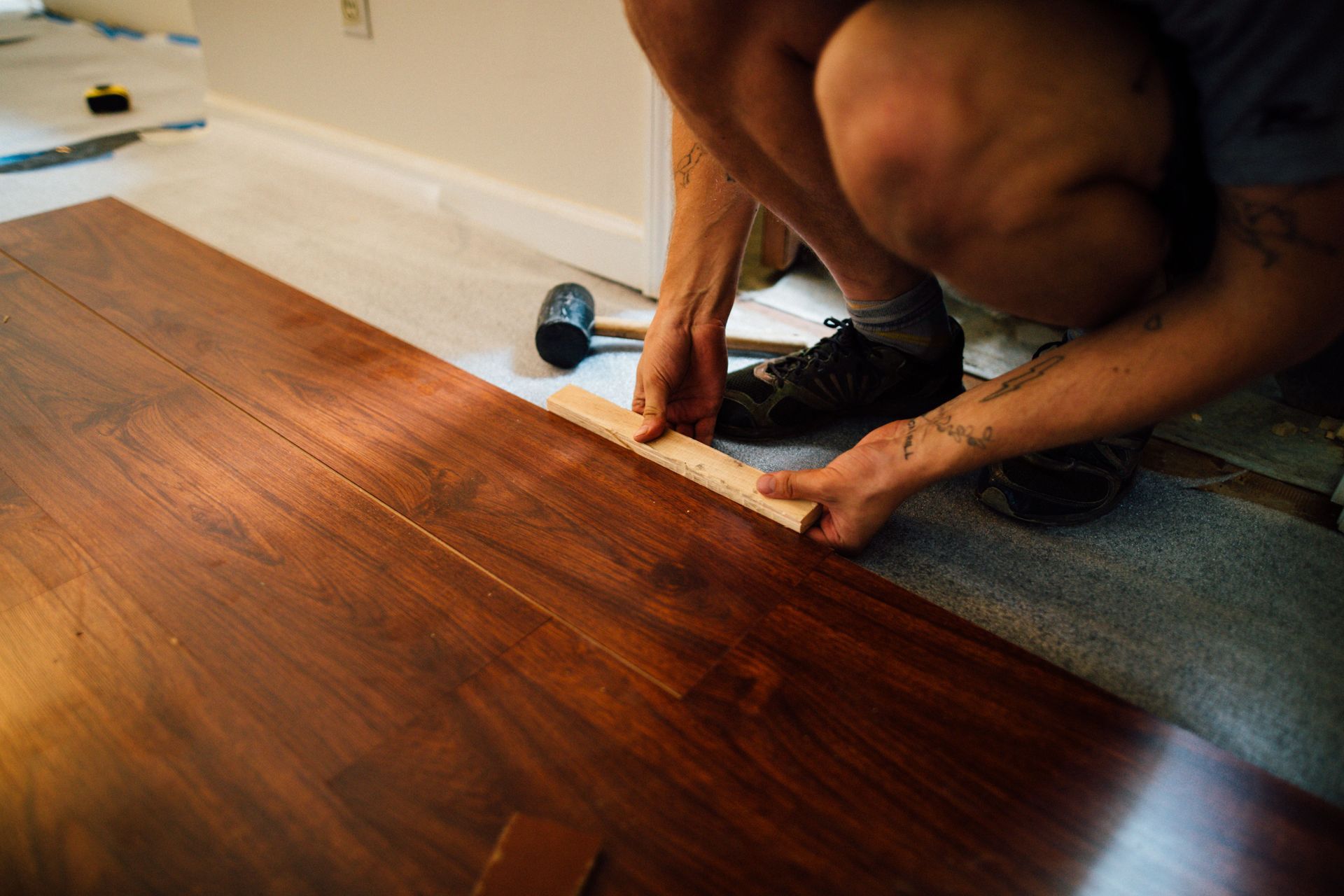
New doors are one of the simplest ways to lift a home, but they are also where a rushed job shows. Few openings are perfectly square, so each door has to be trimmed to its own frame, with clearance left for the flooring that will sit underneath. Hinges are recessed, latches lined up and the door adjusted until it closes cleanly without catching.
The trim around a door makes a surprising difference. Architraves cover the joint between the door lining and the wall, and skirting finishes the bottom of each wall. Mitred external corners and scribed internal corners give a crisp finish that filler alone cannot. In older properties, existing mouldings can often be matched so new work blends in. For internal door, architrave and skirting fitting, agree at the start whether you want the existing profiles matched or replaced throughout.
Some doors have to do more than look good
Certain doors need to meet building regulations as well. A door between a house and an integral garage should be fire-resisting, and a loft conversion usually means upgrading the doors onto the staircase so there is a protected route out of the house. A joiner who fits fire doors should know how they are hung, which seals and closers they need, and why the gaps around them matter.
Questions to ask a joiner
- Is it made to measure? Ask whether the work is built for your room or adapted from standard sizes.
- What is included? Check that handles, trims, finishing and making good are listed.
- Who handles the other trades? Wardrobe lighting or a moved staircase may involve an electrician, a plasterer or building control.
- How long will it take? Much of the work can be prepared off site to reduce disruption at home.
- Can I see previous work? Photos of similar jobs say more than a brochure.
Well-made joinery is one of the few improvements you use every day. For more on planning work around the house, see our home improvements category.
Ready to work with Lexsee Business Directory?
Let's connect! We’re here to help.
Send us a message and we’ll be in touch.
Agency Contact Form
More Business Tips, Tricks & Tools
Lexee Blog