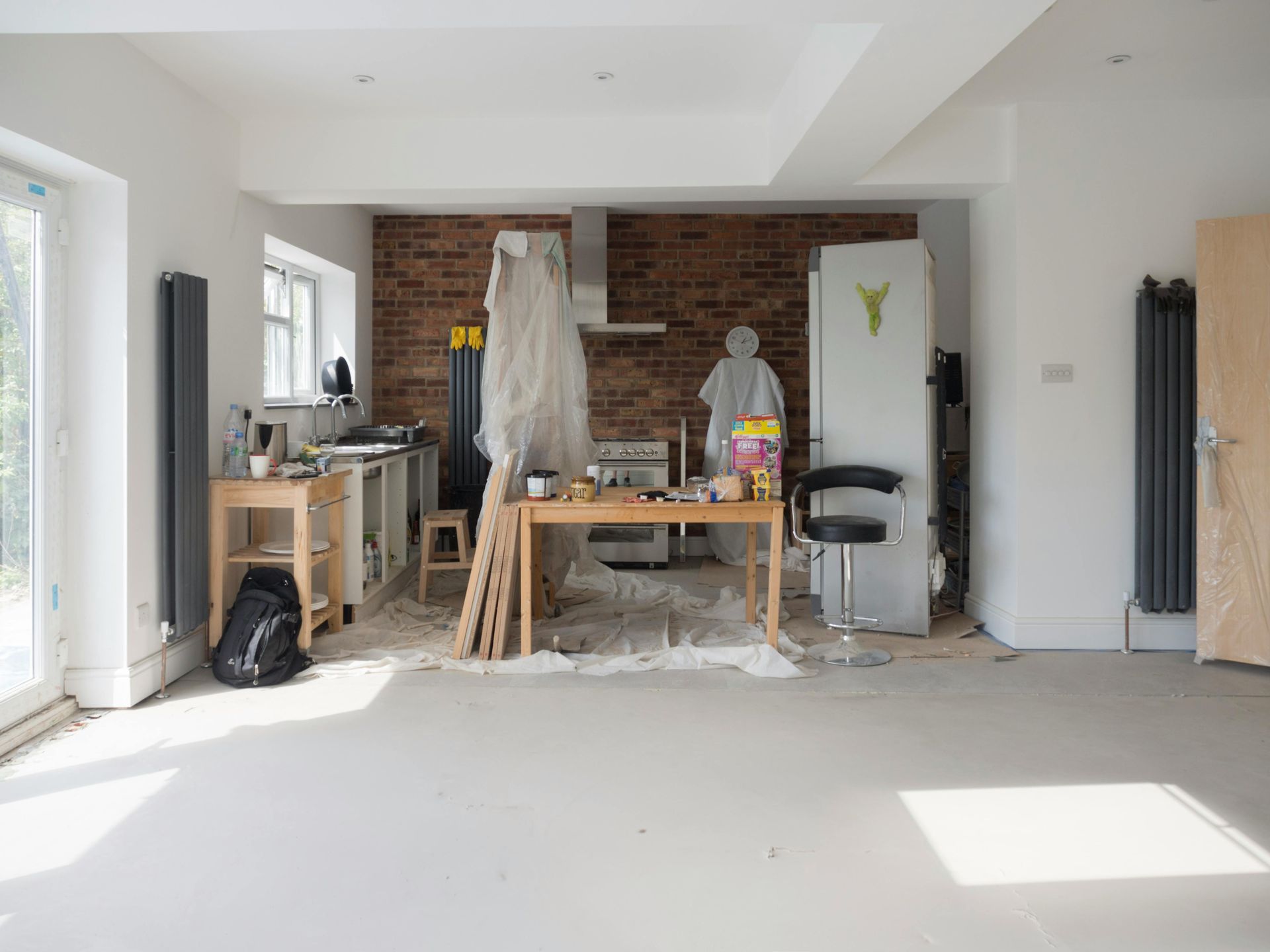
Home Improvements
Across the United Kingdom, home improvement has moved well beyond occasional decorating or DIY projects: it has become a strategic investment in quality of life, comfort, sustainability, and property value. From kitchen and bathroom renovations to substantial structural work such as extensions and conversions, homeowners are increasingly embracing purposeful upgrades that transform how they live in, enjoy, and use their homes. In 2025 and beyond, the breadth of options has never been wider, underpinning a vibrant home improvement market shaped by evolving lifestyles, design innovation, and practical priorities.
This page provides a comprehensive introduction to the most relevant home improvement options available today in the UK, together with insight into the importance of professional design services, the latest trends shaping projects, and practical considerations that should guide planning and execution.
Why home improvement matters in the UK
Home improvement is no longer simply about aesthetic enhancements. In the modern UK housing market, there are several compelling motivations for investing in upgrades:
Enhanced lifestyle and comfort: Renovations and improvements allow homeowners to create living spaces that genuinely reflect how they want to live—from open-plan kitchens that accommodate family life to dedicated home offices, media rooms, and flexible guest spaces.
Value creation: Projects such as extensions, loft conversions, and kitchen or bathroom overhauls are widely recognised as adding measurable value to properties—particularly in highly competitive markets where buyers are seeking move-in ready homes with modern layouts and features. Kitchens and loft conversions are frequently identified as among the highest-value upgrades.
Adaptation to changing needs: With trends such as hybrid working, intergenerational living, or downsizing, homeowners increasingly seek improvements that support flexibility and future-proofing of their properties. These needs have driven sustained interest in adaptable spaces like garage conversions into offices or gyms, attic conversions into bedrooms or studios, and side-return extensions that expand communal zones.
Energy efficiency and sustainability: Contemporary upgrades often incorporate eco-friendly measures such as improved insulation, energy-efficient windows and doors, and smart home systems—features that reduce running costs and environmental impact.
The value of professional design services
Although many DIY and handyman tasks are feasible for smaller cosmetic upgrades, the most impactful home improvement projects are underpinned by professional design. Engaging the services of architects, interior designers, or specialised design consultants offers multiple advantages:
Strategic planning: Professionals assess your existing space, lifestyle requirements, and long-term goals, enabling them to develop solutions that go beyond surface aesthetics to address flow, usability, and integration with the home’s structure.
Maximising space and functionality: Designers can unlock potential that is not immediately obvious, such as creating a more efficient staircase configuration to improve circulation, repositioning walls to create open-plan living areas, or reimagining storage solutions that optimise clutter-free environments.
Visualisation and clarity: Design services typically include detailed drawings, floorplans, and visualisations that help you envision the end outcome. This can be particularly valuable when proposing structural changes like loft conversions or two-storey extensions where the spatial impact can be hard to picture without professional insight.
Compliance and risk management: Larger projects often require planning permission, building regulation approval, or compliance with structural and safety standards. Designers routinely navigate these requirements and help ensure that proposals are feasible, compliant, and less susceptible to costly revisions.
Customization and trend alignment: Professional designers stay abreast of current trends and materials. Whether it is maximising natural light through clever glazing in an extension, selecting timeless kitchen finishes that won’t date quickly, or integrating smart technology into renovation plans, expert guidance helps homeowners create spaces that are both contemporary and enduring.
Structural improvements: extensions, conversions and frameworks
House extensions
Extensions are among the most effective ways to increase living space and improve the usability of a property without relocating. They can take many forms—from single-storey rear extensions that expand kitchen or living areas to double-storey additions that create substantial new bedrooms or en-suite bathrooms.
Common extension types in the UK now frequently incorporate:
- large bifold or sliding glass doors to enhance indoor-outdoor flow
- modern flat roofs with rooflights to maximise daylight
- bespoke materials or feature detailing that complements the original architecture
Architects and builders note that bespoke extensions tailored to the homeowner’s needs are a key trend, with outdoor retreats, integrated kitchen-dining expansions, and multi-functional ground floor layouts growing in popularity.
Loft (attic) conversions
Loft conversions are consistently among the most popular home improvement projects in the UK, driven by their potential to add a functional room—such as a bedroom, office, or studio—without expanding the building’s footprint. They are especially attractive in urban areas where garden space is precious.
There are several common forms of loft conversion:
- Velux or roof window conversions: This option maximises light and headroom without changing the roof’s shape and often falls under permitted development rights.
- Dormer loft conversions: These extend the roof’s plane, creating more usable floor area and headroom—ideal for bedrooms or bathrooms.
- Mansard or hip-to-gable conversions: These more substantial conversions reshape the roof to offer maximum floorspace but may require planning permission.
Designers often emphasise careful integration of stair access, natural light, storage solutions, and insulation to ensure that converted lofts are comfortable and meet building regulations.
Garage and other conversions
With detached and semi-detached garages frequently underutilised, converting them into living spaces is an increasingly popular way to increase space without structural extensions. These conversions can deliver:
- home offices or studios
- gyms or playrooms
- separate guest suites
- utility rooms or cloakrooms
Garage conversions often require careful consideration of foundation depth, insulation, ventilation, and utility connections, making professional design and contractor involvement essential.
Interior renovations: kitchens, bathrooms, and media features
While structural improvements physically increase space, interior renovations enhance the quality and functionality of that space.
Kitchen renovations
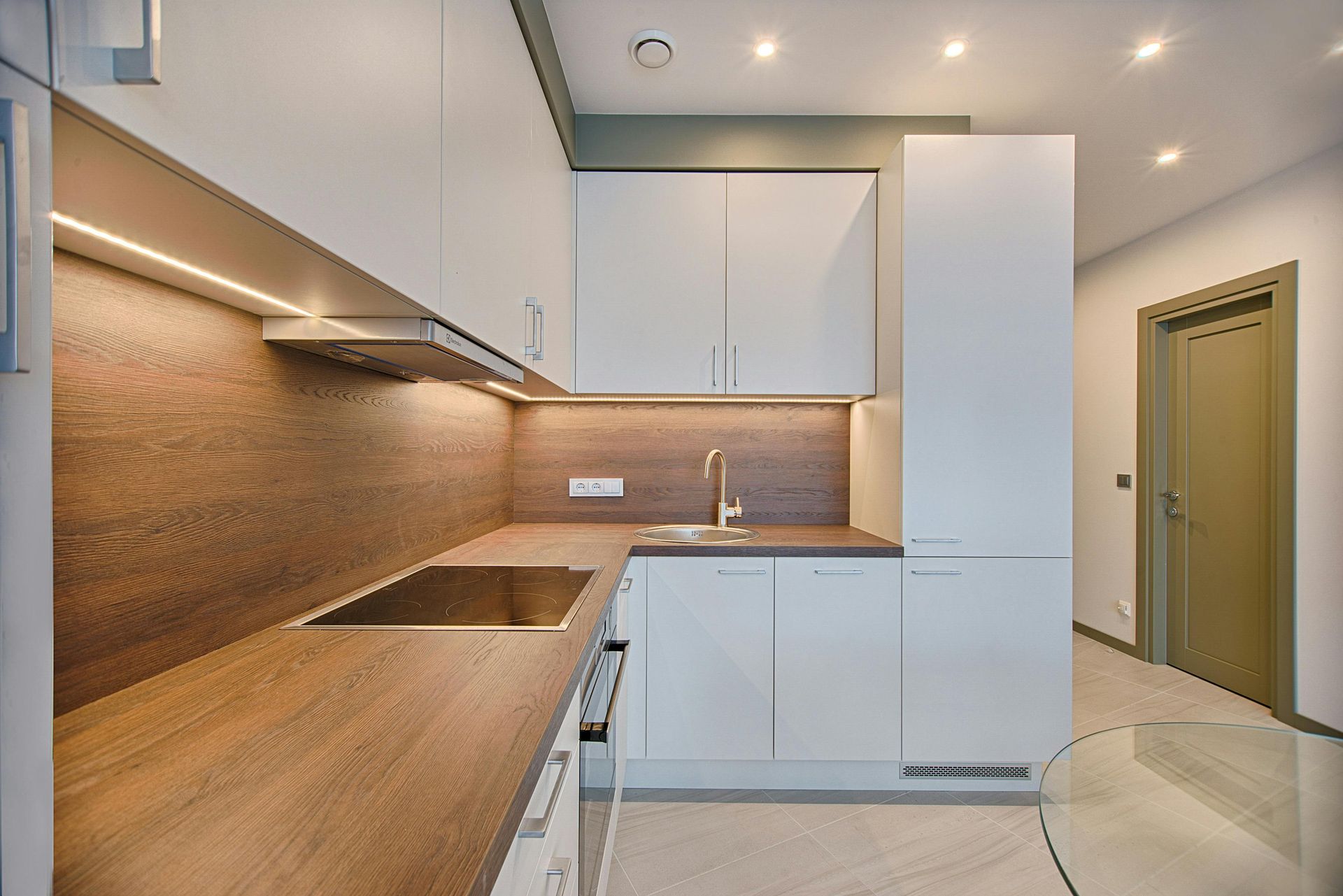
Kitchens remain one of the most sought-after renovation projects, both for day-to-day enjoyment and resale appeal. According to recent research, new kitchen installations and upgrades are among the most commonly planned home improvement projects in the UK, reflecting their central role in modern living.
Trends in kitchen design include:
- open-plan kitchen-dining layouts that support social interaction
- integrated appliances and seamless cabinetry for a clean aesthetic
- islands with multifunctional seating and storage
- natural materials and neutral palettes for longevity
Professional kitchen designers help balance budget, workflow, and stylistic preferences to create spaces that are both beautiful and highly functional.
Bathroom renovations
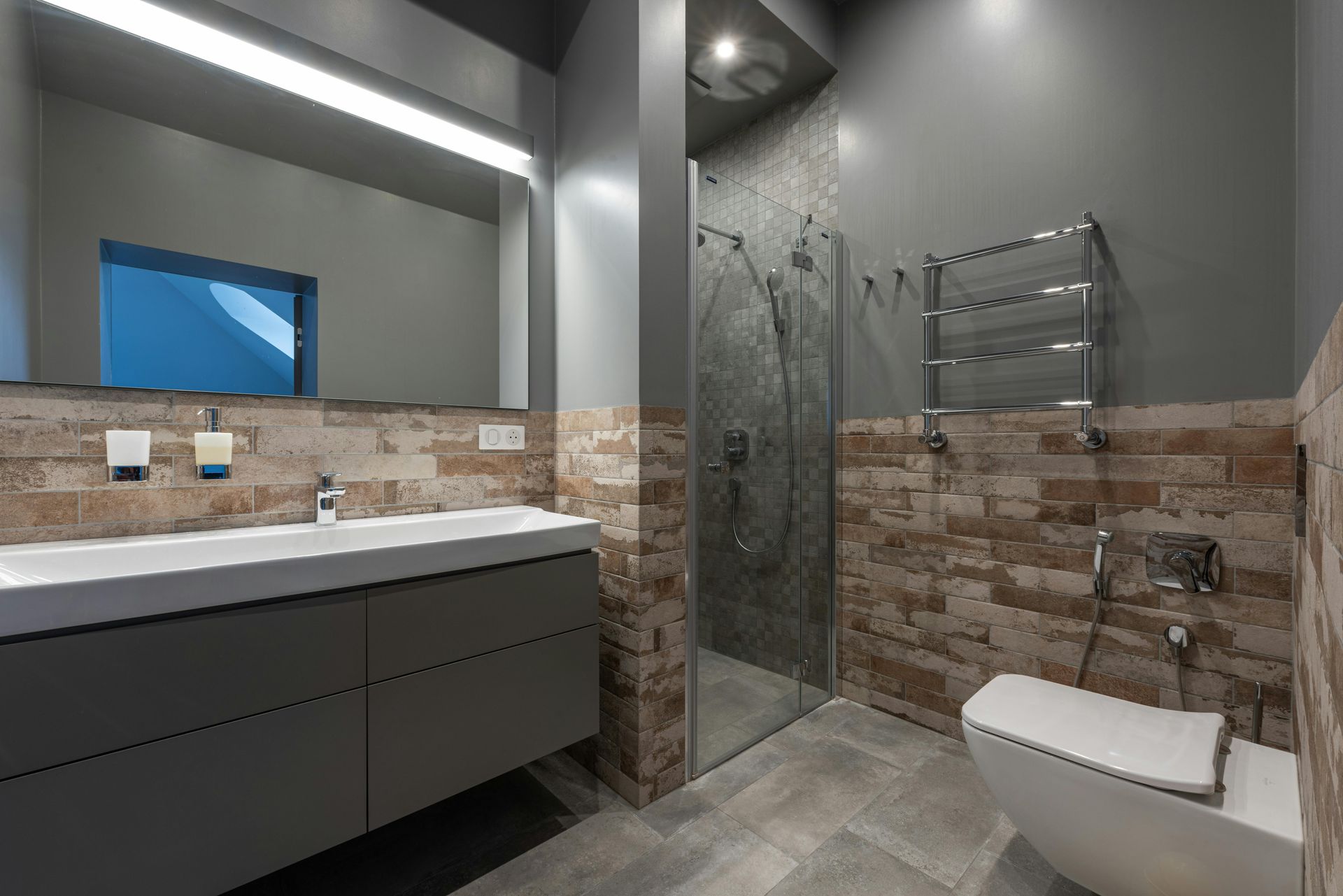
Bathrooms are another core home improvement focus, with modern designs favouring:
- larger walk-in showers and wetrooms
- freestanding baths where space allows
- heated floors and towel rails
- contemporary tiling and finishes
New tile trends—such as vertical slimline formats and tactile, natural textures—are influencing how UK bathrooms are styled and experienced. Expert input ensures that layouts are water-resistant, compliant with plumbing and building codes, and future-proofed for accessibility.
Media walls and architectural features
Home improvement projects increasingly incorporate bespoke interior features that add both form and functionality. Media walls—built-in units designed to house entertainment systems, storage, and acoustics—are one such example. Through thoughtful design, media walls can:
- conceal wiring and equipment
- integrate shelving and cabinetry for books or décor
- offer concealed storage
- frame feature lighting and focal points
Professional designers can also tailor these features to complement structural changes, ensuring consistency with room proportions and lighting.
Current trends shaping UK home improvement
Several key trends are evident in 2025 UK home improvement:
- Open-plan living spaces remain highly desirable, blending kitchens, dining, and living zones for greater connectivity within the home.
- Outdoor retreats and indoor-outdoor integration—such as through glazed extensions, patios, and landscaped courtyards—support multifunctional lifestyles.
- Sustainability and energy efficiency are increasingly factored into renovations, from insulation upgrades to eco-friendly materials.
- Smart home integration and technology enhancements are part of broader renovation plans, enhancing comfort and convenience.
- Material and finish trends (neutral palettes, natural textures, timeless fixtures) reflect a shift toward enduring style and resale appeal.
At the same time, rising costs of materials and labour—as well as more stringent planning processes—are prompting homeowners to approach large projects with careful budgeting and phased planning.
Bringing it all together: planning, design, and execution
Successful home improvement in the UK begins with a clear vision backed by thoughtful planning. Before cutting a single wall or choosing a tile, homeowners benefit from:
- Defining goals and priorities: Are you seeking more space, a modern aesthetic, better functionality, or greater value?
- Engaging professionals early: Designers, architects, and planners add clarity, feasibility analysis, and compliance expertise.
- Understanding regulatory requirements: Planning permission, building regulations, and listed-building considerations can shape project scope and timing.
- Setting realistic budgets and timelines: Factor in professional fees, contingencies, and the potential need for phased delivery.
- Choosing quality contractors: Trades with experience in bespoke projects, performance specifications, and UK-specific standards deliver more reliable outcomes.
By combining expert design services with well-executed structural and interior improvements, UK homeowners can create spaces that not only reflect contemporary trends but also enhance everyday living, resilience, and long-term property value. Whether it’s a kitchen that becomes the heart of the home, a loft conversion unlocking valuable space, or a bespoke media wall that unifies style and function, careful planning and professional execution are central to achieving results that stand the test of time.