Working With a 3D Design and Printing Service: Files, Prototypes and What to Prepare
What to send, what to ask and how quotes are worked out when you use a 3D design and printing service for the first time.
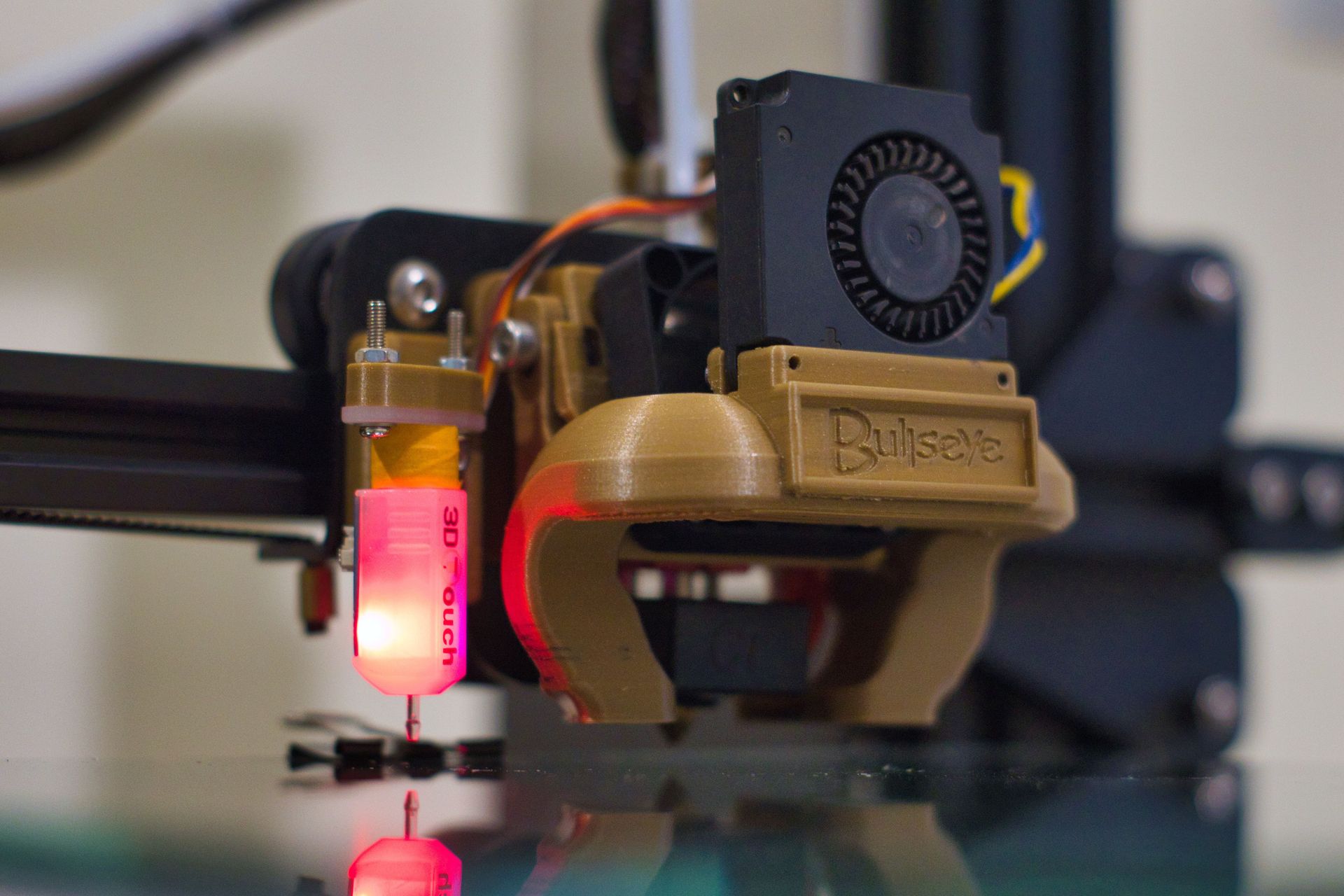
3D printing has become far more accessible to small businesses, inventors and engineers, but many first-time customers are unsure what to send, what to ask for and how the process works. A little preparation makes the job quicker, cheaper and far more likely to produce the part you actually need.
What you need to start
If you already have a 3D model, STL is the standard file format for 3D printing, and most other CAD formats can be converted. Many people do not have a model at all, and that is fine. A sketch, a 2D drawing, photographs or an existing part can all be used as a starting point.
Professional 3D CAD design services turn that starting point into a model that is ready to print. A designer will also look at wall thickness, overhangs and how the part will be loaded, because a model that looks right on screen is not always strong enough once printed.
Protecting your idea
For inventors and product developers, confidentiality matters. Reputable design and printing services will work under a non-disclosure agreement, so it is worth asking for one before sharing drawings of a new product, especially before a patent application has been filed.
Why prototype before you commit
A prototype lets you hold an idea in your hand, check that it fits and spot problems that are easy to miss on screen. It also gives you something tangible to show investors, customers or colleagues. Because no tooling is needed, a design can go through several versions quickly, with each one improving on the last.
A good provider of rapid prototyping in Manchester or elsewhere will suggest which material and print settings suit each stage, from a quick visual model to a functional part for testing.
How a quote is worked out
Most 3D printing quotes are based on the amount of material used and the time the printer will take, along with any design work and finishing. Larger, solid parts take longer and use more material, while a lighter internal structure can reduce both. Large items may also need to be printed in sections and joined, which adds a little time.
Questions to ask a 3D printing service
- What file do you need? And can you work from drawings or photos instead?
- Which material do you recommend? Based on strength, temperature and appearance.
- Can I review the design first? A 3D preview with dimensions avoids surprises.
- Will you sign an NDA? Important for new product ideas.
- What is the largest part you can print? And how are bigger items split and joined?
With the right preparation, a 3D printing service can take you from a rough idea to a finished part remarkably quickly. For more on new technology and business, see our innovation category.
Ready to work with Lexsee Business Directory?
Let's connect! We’re here to help.
Send us a message and we’ll be in touch.
Agency Contact Form
More Business Tips, Tricks & Tools
Lexee Blog