
Business Categories
Artificial Grass
The services artificial grass contractors offer, how a synthetic lawn compares with real grass, and what changes when dogs, schools and play areas are involved.
The types of services artificial grass contractors provide
An artificial grass contractor in the UK offers a variety of services for both residential and commercial clients, from a small back garden to a full sports pitch.
Residential installations
Contractors lay synthetic turf in gardens, backyards and play areas, providing durable, low-maintenance solutions that improve both appearance and usability. Many also integrate artificial grass with soil, plants and other materials as part of wider landscaping projects.
Commercial and sports
In commercial settings, contractors install artificial grass for sports pitches, playgrounds and recreational facilities, making sure each surface meets the relevant safety standards and performance specifications.
Bespoke installations
Some contractors focus on unique spaces such as rooftop gardens and community parks, where the design and materials have to be tailored to the site.
Maintenance and repairs
Cleaning, brushing and repairs extend the lifespan of the turf and keep it looking its best, particularly in areas that see heavy use.
Drainage and accessories
Drainage solutions prevent waterlogging and ensure proper runoff, while edge trims, infill materials and underlay options add stability and improve performance.
Consultation
Good contractors advise on the best type of artificial grass for each application, along with environmental considerations and the right installation techniques.
Through these varied services, artificial grass contractors contribute significantly to the improvement of outdoor spaces throughout the UK.
Artificial grass for dogs, schools and play areas
Two of the fastest-growing uses for artificial grass are dog-friendly gardens and school or nursery play areas. Both ask far more of an installation than an ordinary lawn. A dog run has to let urine drain away quickly so the area stays fresh, and a playground has to be usable soon after rain and soft enough underfoot to cushion a fall. In both cases the groundwork, the membrane and any shock padding matter more than the grass on top.
That is why it pays to use a contractor who works on these spaces regularly. Specialist artificial grass installers in Reading, for example, fit pet-friendly lawns and school play surfaces as well as standard gardens, and can explain how the base will be built for each.
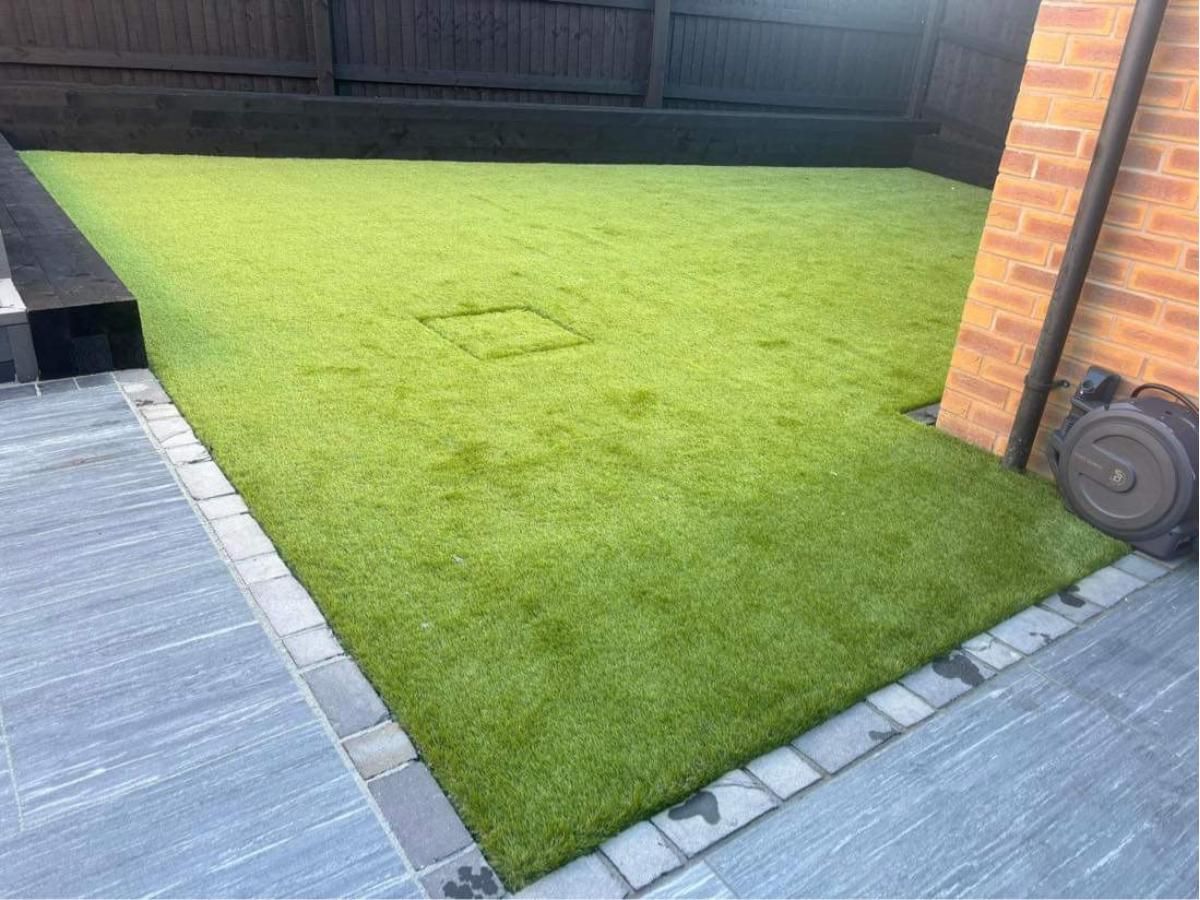
How artificial grass compares against real grass
Grass plays a significant role in our lawns and gardens. Aside from the beauty it brings, it captures pollutants such as smoke and dust that can affect people's health. As homeowners, it can be difficult to choose between artificial grass and real grass, and doubts often stop us from choosing the right type of grass for our home. A specialist such as artificial grass Sheffield can help you decide which type will benefit you most.
Let us look at the main differences between artificial grass and real grass.
Maintenance
Artificial grass needs far less maintenance than real grass. You do not need to get up early to water it, as an occasional rinse is enough to keep it clean, which also lowers your water bill. There is no mowing and no weeding, two jobs that most people would happily give up.
Safer for children
Real grass often relies on fertilisers, pesticides and other chemicals to keep it green, and these can be harmful to families, especially children who love playing outside. This is one of the many reasons people choose artificial grass over real grass.
Better with pets
Dogs love to play, roam and dig, and on a real lawn that quickly leads to holes and bare patches that cost money to repair. Overexcited dogs also tend to eat real grass, while most soon ignore an artificial lawn.
Colour and cost
Real grass changes colour, withers without feeding and can cost a great deal to keep looking good. Artificial grass stays green whatever the weather, does not attract insects and pests because no fertilisers are needed, and saves money over time.