Artificial Grass vs Real Grass
Upkeep, children, pets, the environment and long-term cost: how a synthetic lawn really compares with the real thing.
For many households, the lawn is the part of the garden that takes the most work for the least reward. It needs cutting every week through the growing season, turns brown in a dry summer and muddy in a wet winter, and rarely looks its best when you actually want to use it. That is why so many people now ask whether a synthetic lawn would be a better choice. There is no single right answer, but comparing the two side by side makes the decision much easier.
Maintenance and time
This is the biggest difference. A real lawn needs mowing, edging, feeding, weeding, scarifying and the occasional reseed, and in dry spells it needs watering too. Modern artificial grass needs none of that. A brush every few weeks to lift the pile, leaves cleared in autumn and a rinse now and then is usually enough to keep it looking tidy. For anyone short on time, or who simply does not enjoy gardening, that alone can settle the question.
Water and the environment
Real grass has genuine environmental benefits. It absorbs rainwater, traps dust, cools the ground on hot days and supports insects and soil life. On the other hand, keeping a lawn green often means using water in summer, along with fertilisers and weed treatments, and petrol mowers add their own emissions.
Artificial grass needs no watering, feeding or chemical treatments, but it is a manufactured product and will eventually need replacing. A good compromise in many gardens is to keep borders, shrubs and trees for wildlife and use artificial grass where a real lawn struggles, such as shady corners, heavily used play areas or small courtyard gardens.
Children and play
A real lawn is soft and natural to play on, but it soon wears thin under football, trampolines and paddling pools, and it can be out of action for days after heavy rain. A properly installed artificial lawn drains quickly, so children can usually be back outside soon after a downpour, and it does not turn into a mud bath by the back door. Under swings and climbing frames, a shock pad beneath the grass adds extra cushioning. It is worth remembering that artificial grass can feel warm on a very hot day, so some shade is a good idea.
Dogs and pets
Dogs are hard on real grass. Urine leaves yellow patches, digging creates holes and favourite running routes quickly turn to bare earth. Artificial grass stands up to all of this, and muddy paws become far less of a problem. The key is a free-draining base and a permeable membrane, so that urine passes straight through, together with regular rinsing of the areas your dog uses most.
Appearance through the year
Real grass changes with the seasons. It can look superb in late spring, but it browns in drought, thins in shade and patches up in winter. Artificial grass looks much the same in January as it does in July. Better-quality products use a mix of fibre colours and lengths to look more natural, and UV protection stops the colour from fading.
Cost over time
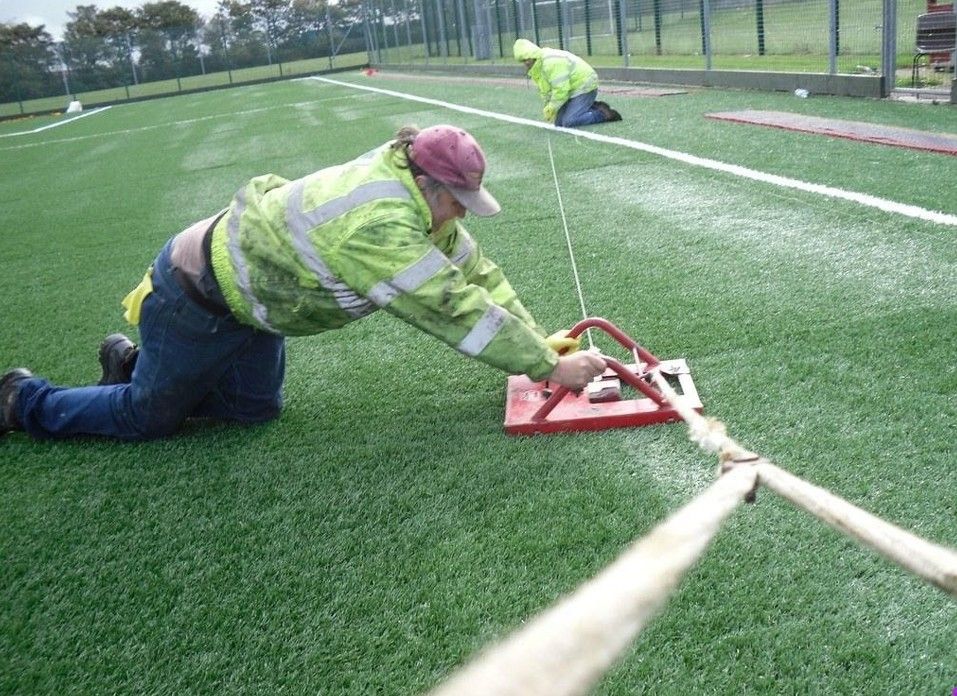
Turf is much cheaper to lay, while artificial grass costs more upfront because of the groundwork needed beneath it. Over the following years, though, the running costs of a real lawn add up: a mower and its servicing, feed, seed, water and, above all, time. A well-installed artificial lawn can last ten to fifteen years or more with very little spent on it. Local installers such as artificial grass Sheffield can give a price for your garden so you can compare the two properly.
Which is right for you?
- Choose real grass if you enjoy gardening, have a sunny, well-drained lawn and want to support wildlife.
- Choose artificial grass if you are short on time, have dogs or young children, or have an area where real grass will not grow well.
- Mix the two if you want a low-maintenance lawn but still value planting, trees and flower beds around it.
Whichever you choose, good preparation makes all the difference. A real lawn needs well-prepared soil, and an artificial one needs a solid, free-draining base. Get that right and either option will serve you well for years. For more on contractors and installation, see our artificial grass guide.
Ready to work with Lexsee Business Directory?
Let's connect! We’re here to help.
Send us a message and we’ll be in touch.
Agency Contact Form
More Business Tips, Tricks & Tools
Lexsee Blog