
Healthcare Clinics
Across the UK, private healthcare has shifted from being a niche alternative to the NHS into a mainstream, fast-growing part of how people access care. This is visible at two levels: (1) large-scale private hospital and diagnostics activity, and (2) the rapid expansion of community-based clinics offering specific, bookable treatments—often delivered in high-street settings with consumer-grade convenience.
A measurable rise in private demand
A key indicator is admissions activity. The Private Healthcare Information Network (PHIN), which publishes UK private hospital and clinic data, reported 939,000 private admissions in 2024, a 3% increase on 2023, and the highest level on record. That record volume is not just driven by complex surgery; it reflects a broader behavioural change: more patients are choosing (or being directed toward) private pathways for faster access to consultation, diagnostics, procedures, and follow-up.
Insurance coverage has also expanded. The Association of British Insurers (ABI) reported that a record 4.7 million people were covered by employer-paid private medical insurance (PMI) schemes in 2023, the highest in more than 30 years of ABI data collection. Alongside PMI, the overall “health cover” market (including private medical cover, dental insurance, and cash plans) has grown strongly. LaingBuisson valued the UK health cover market at £7.59 billion in 2023, up £825 million year-on-year. (LaingBuisson)
Why the growth is happening
While there are multiple drivers, the single biggest catalyst has been access—specifically, waiting times and uncertainty in the publicly funded system.
In England, the NHS referral-to-treatment (RTT) waiting list remained extremely high in 2025. NHS England statistics show around 7.4 million RTT pathways waiting to start treatment at the end of September 2025 (with an estimated ~6.2 million unique patients). (NHS England) The King’s Fund summarised similar figures for October 2025, highlighting how persistent the backlog has been. (The King's Fund)
When patients experience long waits, repeated rescheduling, or difficulty getting diagnostics booked, many start to view private care not as a luxury, but as a way to regain control—especially for issues that affect daily functioning (pain, mobility, hearing, skin irritation, sleep, fatigue, or anxiety about symptoms). Employers have also increased their focus on health benefits to support retention and reduce sickness absence, feeding growth in PMI and cash-plan products. (ABI)
A second driver is consumerisation: modern clinics have adopted retail-style service design—online booking, transparent pricing, short appointment windows, rapid reporting, finance options, evening/weekend availability, and multi-site footprints. In other words, private healthcare has become easier to buy and easier to use.
A third driver is clinical innovation and shifting care settings. Many interventions have become minimally invasive, safer, and suitable for outpatient or community delivery—making it commercially viable to provide high-quality care outside traditional hospital estates.
The most popular private clinic categories (and why)
While private hospitals still dominate high-value procedures (orthopaedics, ophthalmology, general surgery, cardiology diagnostics, etc.), much of the visible growth is occurring in focused treatment clinics—businesses built around a small menu of high-demand services:
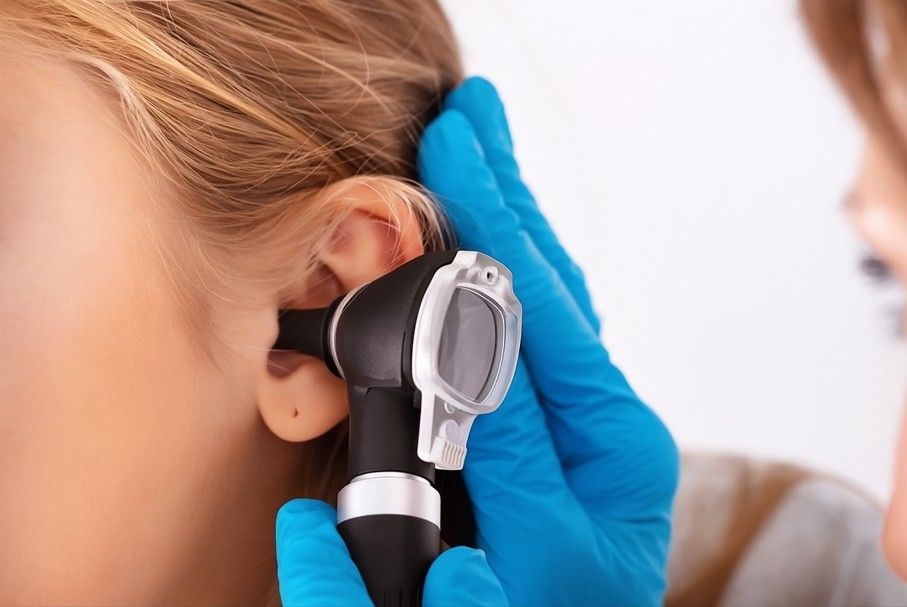
- Ear wax removal clinics (microsuction and irrigation): Demand is fuelled by an ageing population, increased hearing-aid use, and the reduction of ear irrigation availability in some NHS primary care settings. These clinics typically offer rapid access, short appointments, and immediate quality-of-life improvements.
- Nutritionists and metabolic health services: Weight management, prediabetes support, gut health, cholesterol improvement, and fatigue management are increasingly offered through private nutrition clinics, sometimes paired with blood testing and coaching programmes.
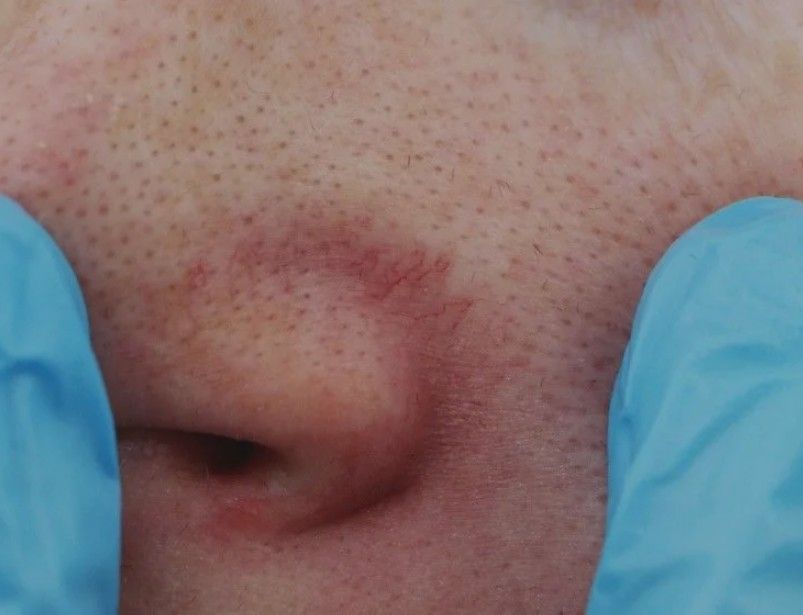
- Scar, skin tag, and minor lesion removal: High demand comes from convenience, confidence/appearance drivers, irritation or clothing friction, and long waits for non-urgent dermatology pathways.
- Aesthetic and dermatology-adjacent services: Acne management, mole checks (where appropriate), pigmentation, rosacea support, laser/IPL treatments, and medically-led skin clinics.
- Diagnostics-first providers: “Walk-in” blood testing, ultrasound, MRI access routes, and rapid referral pathways—often used to reduce uncertainty and accelerate decision-making.
What these categories share is not just popularity, but suitability for repeatable clinical workflows—standardised protocols, defined appointment lengths, predictable consumables, and consistent outcomes—making them ideal for multi-site clinic growth.
How private clinics are structured in the UK
In practice, private healthcare provision tends to fall into three broad structural models:
1) Independent clinics (single site or small groups)
These are typically owner-led (often clinician-owned) and focused on a local catchment. They may operate from a dedicated clinic, within a wider wellbeing centre, or as part of a multidisciplinary practice. Many of the fastest-growing “treatment clinics” start here because independents can move quickly: set a narrow service range, optimise the patient journey, and build reputation through local referrals and reviews.
From a regulatory standpoint, a significant portion of the independent sector is overseen by the Care Quality Commission (CQC) in England. Sector summaries note over 5,000 independent healthcare organisations are registered with CQC. (Independent Healthcare Provider Network) (Exact requirements vary depending on the activities provided; not every wellness service is regulated in the same way.)
2) National chains (multi-site operators)
These include large brands operating hospitals, clinics, and diagnostics networks, plus corporate providers specialising in areas like imaging, physiotherapy, or ophthalmology. Their advantage is scale: centralised governance, standardised clinical policies, strong purchasing power, and established insurer relationships. They also benefit from brand trust and the ability to invest in premium facilities and technology.
3) Franchise and “managed network” models
Franchising has expanded in the UK across elective, elective-adjacent, and wellbeing categories—particularly where processes can be standardised and replicated across locations. In the clinic context, franchised or licensed networks commonly provide:
- brand identity and marketing systems
- booking and patient management platforms
- clinical protocols, training, and audit support
- procurement and supplier arrangements
- governance frameworks (sometimes including medical oversight structures)
This model is particularly common in high-street-friendly services such as ear wax removal, aesthetics, non-surgical skin procedures, and wellbeing clinics—because the unit economics can work at smaller site sizes, with shorter appointment formats and predictable demand patterns.
What this means for patients and communities
The rise of private clinics is not a simple story of “public vs private.” In reality, the UK now operates as a mixed ecosystem where:
- patients move between NHS and private routes depending on urgency, affordability, and access
- employers and insurers influence how quickly people can be seen privately
- independent providers increasingly support NHS capacity goals through contracted activity in some areas (GOV.UK)
- communities see more local, specialised clinics offering faster, targeted solutions
For patients, the benefits can include speed, convenience, continuity, and choice. The risks—if standards are inconsistent—include variable clinical governance, unclear pricing, and confusion about regulation and professional credentials. The best providers respond by being transparent: clear scope of practice, evidence-based protocols, proper consent processes, robust aftercare, and clear escalation routes when symptoms require GP or hospital input.
Ultimately, the growth of private healthcare clinics in the UK is being driven by sustained demand for access and certainty, enabled by service models that are more retail-like, more local, and more specialised than traditional healthcare delivery. And as that demand persists, the market will likely continue to diversify—especially in services that improve day-to-day quality of life, such as hearing, nutrition, skin health, and minor procedures.